
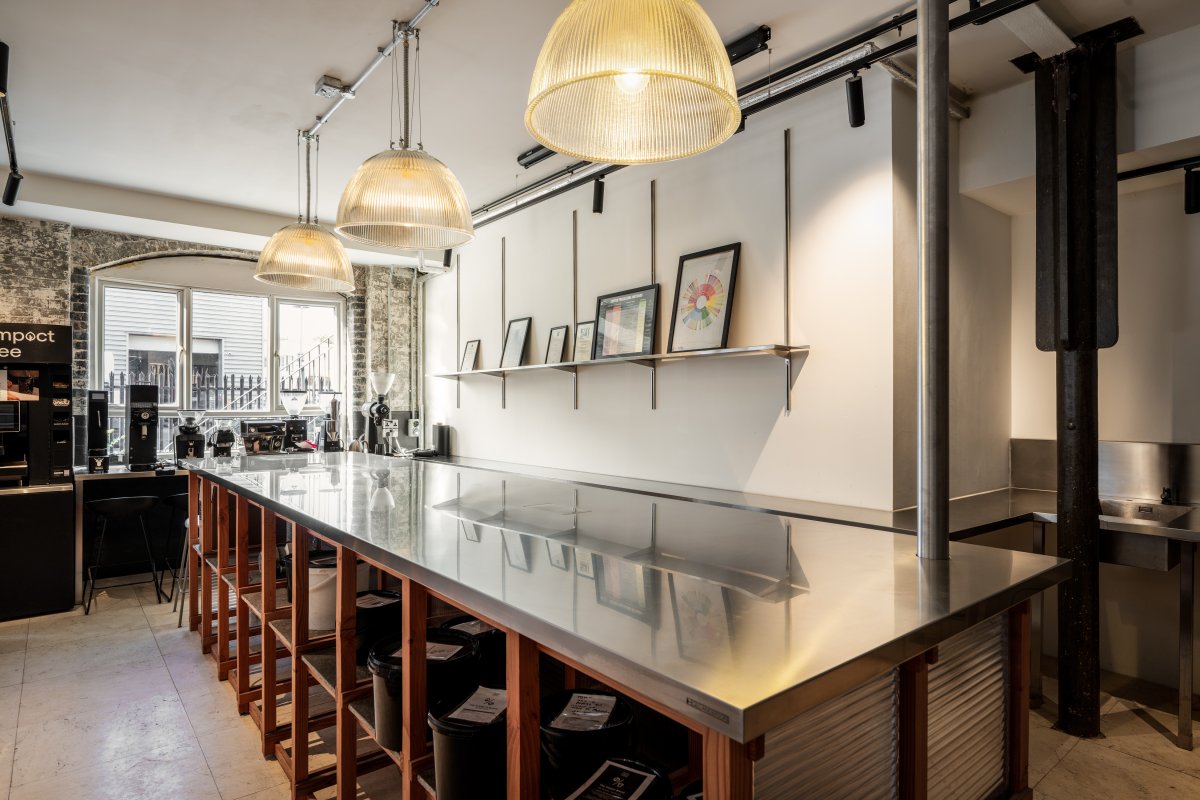
A kitchen worktop is often the most heavily utilised surface in a building, yet it’s frequently the final element specified with genuine structural intent. You likely recognise the frustration of designing a vast, minimalist island only to have the aesthetic compromised by visible silicone joints or the inherent fragility of porous stone. While industrial finishes are sometimes misunderstood as cold, the reality of bespoke stainless steel kitchen worktops is one of warmth through light reflection and an uncompromising commitment to hygiene.
This guide provides a technical foundation for architects and specifiers who require more than a temporary surface. You’ll discover how these integrated solutions offer a lifetime of durability and a level of precision that aligns with the most exacting architectural standards. We will examine the nuances of material grades, the seamless integration of sinks and splashbacks, and the methodical fabrication process that ensures your vision remains intact from the initial drawing to the final installation. By understanding the specialist manufacturing involved, you can specify with confidence, knowing the result will be a permanent, high-performance asset for any residential or professional environment.
Key Takeaways
- Recognise why bespoke stainless steel is a permanent structural choice rather than a transient trend, providing far greater design flexibility than standard modular units.
- Identify the correct material grades for your project, ensuring the specification of Grade 304 or Grade 316 aligns with the specific hygiene and durability requirements of the environment.
- Discover how integrating sinks and splashbacks directly into bespoke stainless steel kitchen worktops eliminates visible seams and creates a truly unified architectural surface.
- Master the specification journey by understanding the vital steps from technical drawing and quotation through to the precise templating required for a perfect installation.
- Learn how leveraging 60 years of specialist British fabrication experience can translate complex architectural visions into reliable, high-performance kitchen solutions.
Defining the Value of Bespoke Stainless Steel Kitchen Worktops
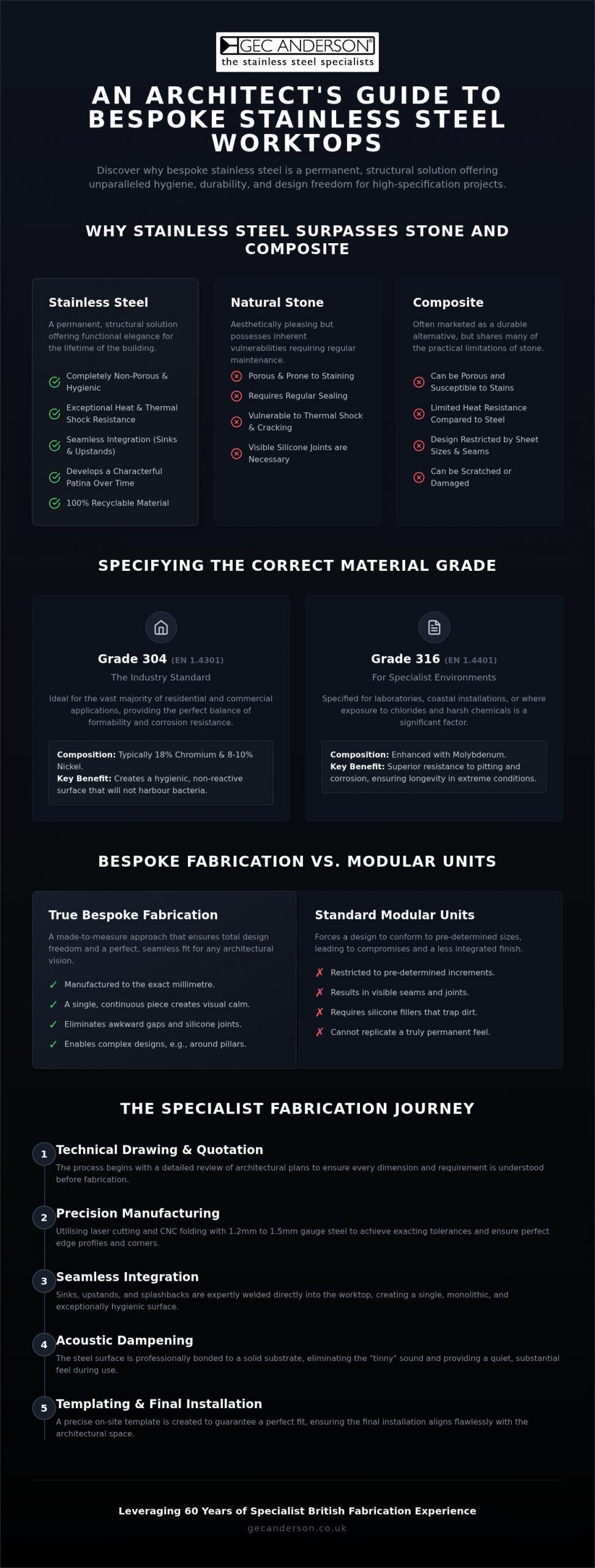
Specifying a kitchen surface often involves a compromise between aesthetic desire and practical reality. Bespoke stainless steel kitchen worktops remove this friction by offering a permanent, structural solution. Unlike materials that follow cyclical trends, stainless steel remains a constant in architectural precision. It provides what we define as functional elegance: a surface that performs under rigour whilst maintaining a polished, high-end appeal. The primary architectural benefit is the total elimination of seams and dirt traps. By welding sinks and upstands directly into the surface, the worktop becomes a single, hygienic entity that lasts for the lifetime of the building.
The Distinction Between Bespoke and Modular Metal Surfaces
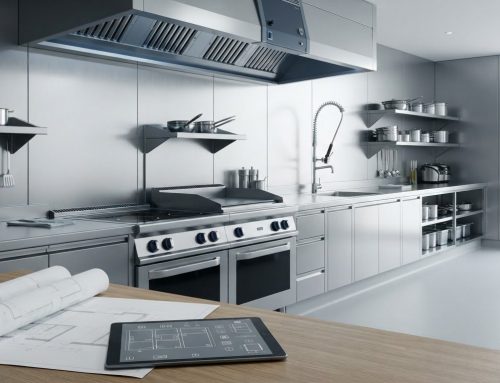
Modular units often force a design to fit into pre-determined increments, leading to awkward gaps or unnecessary silicone joints. True bespoke fabrication means the surface is manufactured to the exact millimetre of the project footprint. This allows for total design freedom. Whether you’re specifying a four-metre island or a worktop that must navigate complex architectural pillars, a made-to-measure approach ensures a perfect fit. A single, continuous piece of steel creates a visual calm and a sense of permanence that modular alternatives simply cannot replicate. For projects where the island is the centrepiece of the kitchen, bespoke stainless steel kitchen island tops offer the same precision-engineered approach to deliver a sophisticated architectural focal point.
Why Stainless Steel Surpasses Stone and Composite
Natural stone and composite materials, while popular, possess inherent vulnerabilities. They are often porous and require regular sealing to prevent staining. Stainless steel is entirely non-porous. It offers absolute hygiene, which is why it remains the standard for healthcare and professional environments. When considering the various stainless steel grades, the material’s structural integrity is superior to stone in several practical ways. It is exceptionally heat resistant, allowing users to place hot pans directly on the surface without fear of thermal shock or cracking. Over decades of use, the material develops a unique patina. These fine scratches soften the initial finish, adding a layer of character that tells the story of the kitchen without ever compromising the structural integrity.
Technical Excellence: Material Grades and Fabrication Standards
The performance of bespoke stainless steel kitchen worktops relies heavily on the specific alloy selected for the project. For the vast majority of residential and commercial applications, Grade 304 (EN 1.4301) is the industry standard. This austenitic grade provides the ideal balance of formability and corrosion resistance. In specialist environments, such as laboratories or coastal installations where exposure to chlorides or harsh chemicals is a factor, Grade 316 (EN 1.4401) is often specified. The addition of molybdenum in Grade 316 enhances its resistance to pitting, ensuring the surface remains pristine even under extreme conditions.
Understanding Austenitic Stainless Steel
Grade 304 is defined by its chromium-nickel composition, typically containing 18% chromium and 8% to 10% nickel. This chemical makeup creates a hygienic and non-reactive surface that won’t leach metallic flavours into food or harbour bacteria. Beyond its immediate functional benefits, stainless steel is a highly sustainable choice. It’s 100% recyclable at the end of its exceptionally long life cycle, which aligns with modern architectural requirements for circular building materials. Selecting the correct grade ensures the worktop remains a permanent fixture rather than a replaceable component.
The Importance of Precision Fabrication
Achieving the exacting tolerances required for a high-end kitchen demands advanced manufacturing techniques. We utilise laser cutting and CNC folding to ensure every corner and edge profile is accurate to the millimetre. The thickness of the steel is equally vital. We typically use 1.2mm to 1.5mm gauge steel, which provides the necessary rigidity for heavy daily use. A common concern with metal surfaces is the “tinny” sound often associated with cheaper, modular units. To resolve this, our worktops are professionally bonded to a solid substrate that dampens sound and provides a quiet, substantial feel underfoot.
The final aesthetic is usually defined by a brushed or satin finish. This texture is preferred for contemporary homes because it diffuses light beautifully and masks the minor abrasions that occur naturally over time. If you require technical advice on material selection for a specific project, you can leverage our bespoke manufacturing expertise to ensure the correct specification. For a deeper understanding of how grade selection and brushed finishes interact with design intent, the architect’s guide to stainless steel worktop specification and design provides comprehensive technical guidance. This methodical approach to fabrication ensures that the finished product reflects the architectural intent of the wider space.
Design Versatility: Seamless Sinks and Edge Profiles
The architectural appeal of bespoke stainless steel kitchen worktops lies in their ability to form a monolithic, unified structure. Unlike modular systems that treat the sink and splashback as separate accessories, bespoke fabrication allows these elements to be welded directly into the worktop. This creates a singular surface that is both visually calm and technically superior. It removes the aesthetic clutter often found in traditional kitchen designs, replacing it with a clean, continuous line that spans the entire length of the installation. This integration is not merely a stylistic choice; it’s a functional requirement for those seeking a truly permanent kitchen solution.
The Benefits of Integrated Bespoke Stainless Steel Sinks
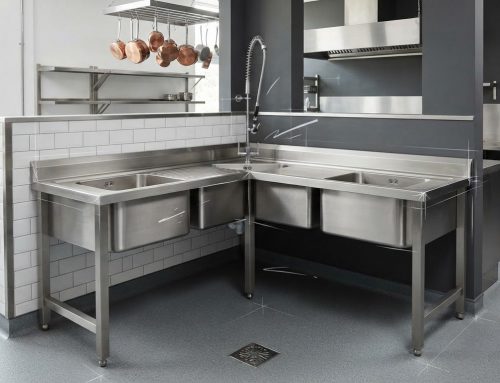
One of the most significant advantages of this approach is the elimination of the “silicone gap.” In standard kitchens, the joint between an under-mounted sink and the worktop is a notorious trap for dirt and bacteria. By welding the sink into the surface and hand-polishing the joint, we create a seamless transition that is entirely hygienic. This process also allows for total customisation of the sink dimensions. Whether a project requires a shallow prep sink or a deep, double-bowl configuration for a professional environment, the sink is manufactured to suit the specific requirements of the space rather than being limited by off-the-shelf sizes. For projects where the sink itself demands the same level of precision engineering as the worktop, specifying made to measure stainless steel sinks ensures bowl configurations, dimensions, and material grades are tailored exactly to the demands of the installation. The visual result is a sink that appears to emerge effortlessly from the worktop itself.
Choosing Your Edge Profile and Finish
The edge profile of a worktop defines its character and how it interacts with the surrounding cabinetry. A 20mm square edge provides a sharp, minimalist aesthetic that is currently a favourite amongst architects for contemporary residential projects. Conversely, a marine edge, which features a slightly raised rim, is an excellent choice for areas where water containment is a priority. The thickness of the edge can also be adjusted, from thin, blade-like profiles to heavy, 100mm industrial blocks that make a bold structural statement. This flexibility allows the worktop to align perfectly with the shadow gaps or handleless designs of modern kitchen units.
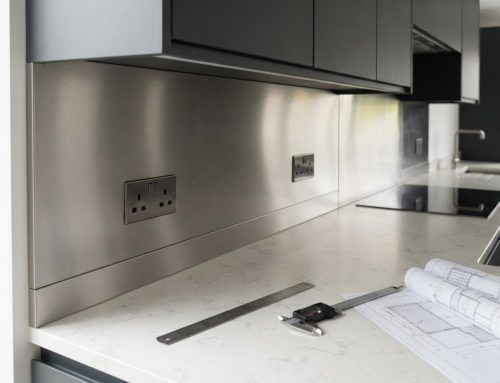
The finish is equally important. While various textures exist, a satin finish is typically preferred for its understated lustre. It diffuses light softly across the kitchen and possesses a unique ability to mask the minor scratches that occur during daily use. Beyond the edges, the design can incorporate integrated splashbacks and upstands. These are folded from the same sheet of steel, ensuring that the transition from the horizontal worktop to the vertical wall is fluid and easy to clean. For enhanced functionality, we can also integrate recessed “wet zones” or precision-machined drainer grooves directly into the surface, ensuring that water is managed effectively without the need for additional plastic inserts.
Specifying Custom Worktops for Residential and Professional Use
The transition from an architectural concept to a finished installation requires a methodical approach to technical specification. When specifying bespoke stainless steel kitchen worktops, the process is defined by precision rather than approximation. GEC Anderson Limited provides a structured framework to support architects and specifiers, ensuring that the functional requirements of the project are met without compromising the design intent. This consultative approach is essential for navigating the complexities of large-scale commercial installs or high-end residential commissions.
The Specification Journey: From Concept to Reality
The journey begins with a detailed assessment of the project footprint. To ensure a successful fabrication, we typically follow a three-step process that prioritises accuracy. First, the footprint is defined by identifying the exact dimensions and any required cut-outs for hobs, taps, or integrated appliances. Second, the user selects the specific sink configurations and edge profiles that align with the kitchen’s aesthetic and functional needs. Finally, a technical review of the drawings is conducted to provide a comprehensive quotation based on the project’s unique requirements.
A critical stage in this process is accurate templating. Because stainless steel can’t be easily adjusted on-site like timber or certain composites, the initial measurements must be absolute. We recommend professional templating to account for wall irregularities or out-of-square corners, ensuring the final piece drops into place with millimetre precision. This eliminates the need for unsightly silicone fillers and maintains the integrity of the seamless design. Architects seeking a detailed overview of the full specification process may find it valuable to consult our dedicated guide to specifying a bespoke stainless steel worktop, which covers grade selection, finish options, and fabrication considerations in depth.
Applications Beyond the Domestic Kitchen
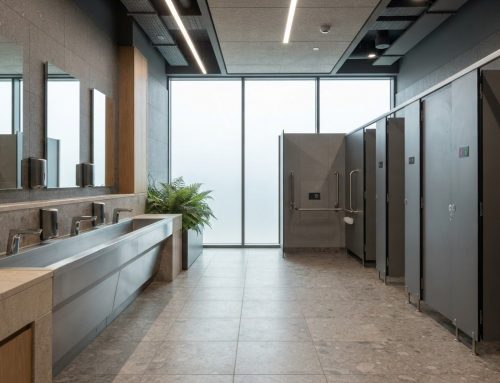
Whilst highly favoured in modern residences, the same bespoke principles apply across diverse professional sectors. In healthcare environments, the non-porous nature of stainless steel is a non-negotiable requirement for infection control. We provide specialist solutions, including anti-ligature sanitaryware and integrated units for clinical settings, where hygiene is the primary driver. Specifiers working across healthcare, education, and public infrastructure will find that the same material standards underpinning our worktops extend to commercial stainless steel sanitaryware, where EN 1.4401 grade steel and bespoke dimensions support a 50-year lifecycle in high-traffic environments. In the education sector, the material’s durability makes it an ideal choice for high-traffic laboratories and canteens where longevity is a priority. The versatility of the material extends to integrated cabinets, shelving, and splashbacks, allowing for a cohesive architectural language throughout the building.
If you’re currently in the design phase of a project, you can request a technical consultation to discuss your specific requirements. Our team offers the expert guidance needed to translate complex drawings into a high-performance reality that meets both British standards and your own exacting design criteria.
GEC Anderson: British Heritage in Stainless Steel Fabrication
Since 1962, GEC Anderson has operated as a specialist independent manufacturer of premium stainless steel fixtures. Our identity is defined by a sense of quiet confidence and a refusal to participate in aggressive marketing or hyperbolic claims. We believe that technical excellence and a heritage of precision speak louder than temporary design trends. Our focus remains fixed on functionality and longevity, creating an emotional atmosphere of reliability for the architects and specifiers who partner with us. Every commission for bespoke stainless steel kitchen worktops is viewed as a distinct engineering challenge, where the goal is to provide a permanent, high-performance asset for the building.
A Legacy of Architectural Excellence
We’ve spent over sixty years working alongside the UK’s leading architects to deliver surfaces that meet exacting standards. This master craftsman approach is applied to every order, regardless of the scale or complexity of the design. Our independent status is a significant advantage for our clients; it allows us to remain agile and responsive to unique project requirements. Unlike large-scale modular manufacturers who are constrained by fixed production lines, we possess the flexibility to fabricate unusual shapes, extra-long runs, and complex integrated units. This includes the fabrication of made-to-measure stainless steel kitchen island tops that serve as the architectural centrepiece of a space, manufactured to the precise millimetre of the specific project footprint. This bespoke nature means that no two projects are ever identical, as each surface is manufactured to the precise millimetre of the specific project footprint.
National Support and Specialist Expertise
Operating with a national reach across the United Kingdom, we provide the stability and competence expected of an established industry leader. Our relationship with specifiers is characterised by a partner-like approach, offering technical wisdom and steady guidance throughout the fabrication process. We don’t simply take orders; we provide a consultative service that ensures the selected specifications are structurally sound and fit for purpose. This expertise is particularly valuable when navigating the differences between residential requirements and the rigorous demands of healthcare or commercial environments.
By choosing a UK-based manufacturer, architects benefit from clear communication and a deep understanding of national building regulations and market conditions. Our commitment to excellence ensures that the finished product reflects the sophisticated verbal and visual identity of the brand, suggesting a level of craftsmanship that is increasingly rare in modern manufacturing. We invite you to view GEC Anderson’s bespoke stainless steel worktop range to discover how our established heritage can support your next architectural project.
Elevating the Standard of Kitchen Specification
Specifying a kitchen surface is a decision that impacts the longevity and functional hygiene of a building for decades. By selecting high-grade austenitic stainless steel, you move beyond the limitations of porous stone and modular units. The result is a monolithic surface where sinks and upstands are integrated without the need for vulnerable silicone joints. This approach ensures that your architectural vision remains as pristine in ten years as it is on the day of installation, whilst providing a surface that is entirely non-reactive and easy to maintain.
GEC Anderson has operated as a specialist independent manufacturer since 1962, offering the precision and national UK support necessary for ambitious projects. Our commitment to technical excellence ensures that bespoke stainless steel kitchen worktops are fabricated to the exact millimetre, aligning perfectly with your project’s unique footprint. Whether you’re designing a high-traffic commercial facility or a refined residential space, our team is ready to provide the master craftsmanship your specification deserves. Request a bespoke quotation for your stainless steel project and discover how a heritage of British fabrication can enhance your next design.
Frequently Asked Questions
Are bespoke stainless steel worktops more expensive than stone?
The cost is often comparable to premium natural stone or high-end composites. While mass-produced modular units are cheaper, bespoke fabrication involves precision engineering and master craftsmanship. The true value lies in the material’s lifespan; it’s a permanent investment that won’t crack, stain, or require expensive resealing. When you consider the decades of service it provides without needing replacement, it’s a highly cost-effective choice for architectural projects.
Do stainless steel worktops scratch easily in a domestic kitchen?
Stainless steel will develop a patina of use over time, which includes fine surface scratches. These marks aren’t defects but a natural characteristic of the material that softens its initial lustre. We typically recommend a brushed or satin finish for domestic settings because it masks these markings effectively. Unlike stone or wood, these scratches don’t compromise the hygienic integrity of the non-porous surface or lead to bacterial growth.
How do I clean and maintain a brushed stainless steel worktop?
Maintenance is straightforward and requires only warm water and a mild detergent for daily cleaning. For a brushed finish, you should always wipe in the direction of the grain to avoid streaking. It’s important to avoid abrasive scourers or bleach-based cleaners, as these can damage the protective chromium oxide layer. Periodic use of a specialist stainless steel polish can help restore the surface lustre and repel fingerprints effectively.
Can I have a bespoke stainless steel worktop with an integrated sink?
Integrating sinks directly into the surface is a primary feature of bespoke stainless steel kitchen worktops. We weld the sink into the worktop and hand-polish the joint to create a seamless, monolithic unit. This eliminates the dirt-trapping silicone gaps found in standard under-mounted or inset installations. It’s a significant advantage for architects seeking a unified aesthetic and absolute hygiene in both residential and professional kitchen environments.
What is the difference between Grade 304 and Grade 316 stainless steel?
Grade 304 is the industry standard for most kitchens, providing excellent durability and corrosion resistance. Grade 316 contains molybdenum, which offers enhanced protection against pitting in harsher environments, such as laboratories or coastal installations. For standard domestic or commercial food preparation, Grade 304 is perfectly suited. Choosing the correct grade ensures the material remains non-reactive and maintains its structural integrity throughout the entire lifetime of the building.
How long does it take to fabricate and deliver a made-to-measure worktop?
Lead times vary based on the complexity of the design and current production capacity. Once the technical drawings are approved and accurate templating is complete, the fabrication process typically takes several weeks. As a specialist UK-based manufacturer, we manage the entire process from our facility to ensure national delivery. We recommend consulting with our technical team early in the design phase to confirm current schedules for your specific project.
Can I put hot pans directly onto a stainless steel surface?
Yes, stainless steel is exceptionally heat resistant and can withstand hot pans without cracking or scorching. This is a major functional advantage over composite or stone surfaces, which can suffer from thermal shock or permanent marking. The material’s high melting point and structural stability mean it remains unaffected by standard kitchen temperatures. It’s one reason why the material remains the preferred choice for professional chefs and discerning homeowners alike.
Is stainless steel a sustainable choice for a kitchen renovation?
Stainless steel is one of the most sustainable materials available for kitchen specification. It’s 100% recyclable at the end of its life and is often produced using a high percentage of recycled content. Because it doesn’t require chemical sealants and lasts for decades, its environmental footprint is significantly lower than materials that need frequent replacement. It represents a commitment to the circular economy and long-term building performance in modern architecture.