
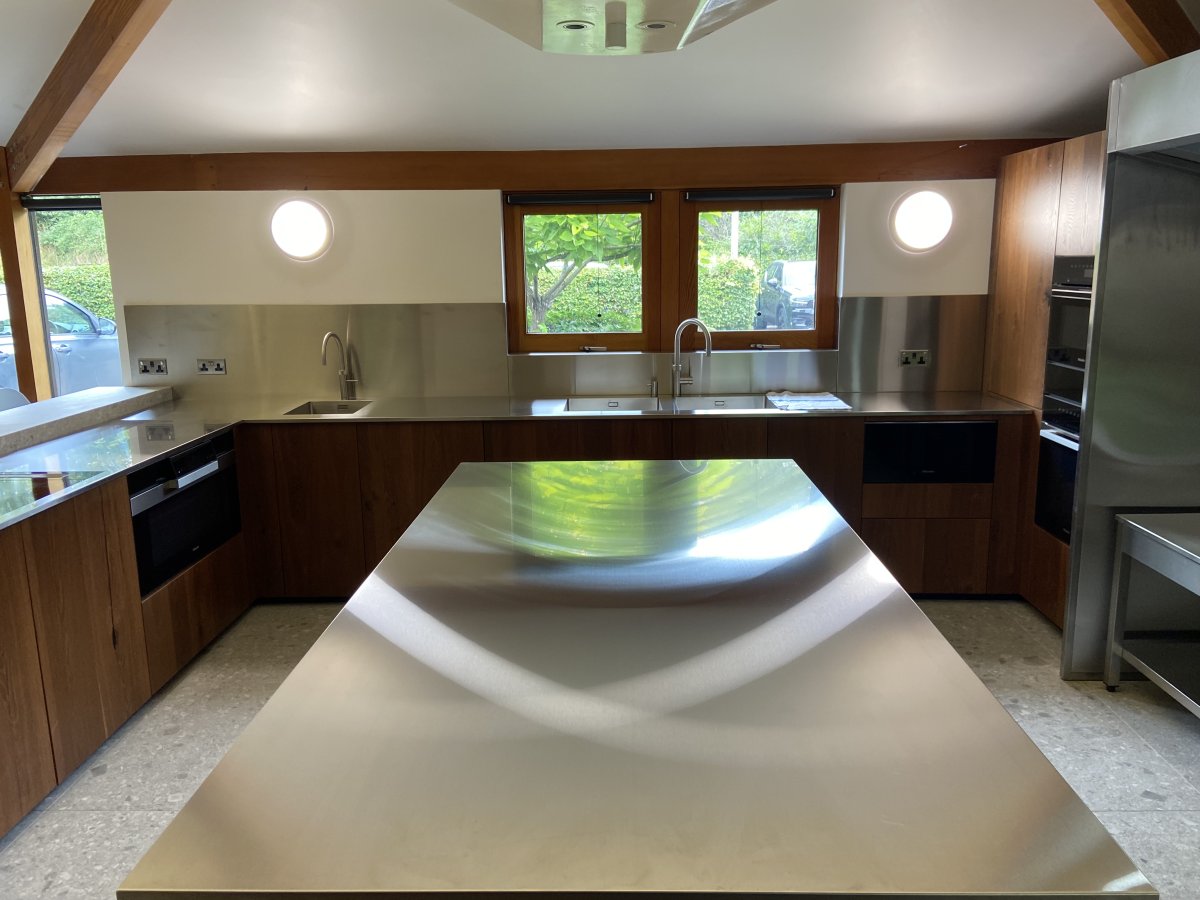
A kitchen island is far more than a mere preparation surface; it’s the high-traffic engine room of the modern home that demands the same uncompromising standards as a professional workstation. It’s understandable if you feel a sense of hesitation when considering industrial materials for a domestic space. Many homeowners admire the peerless hygiene of metal but worry that a professional finish might feel too clinical or succumb to unsightly wear over time. However, when specified correctly, bespoke stainless steel kitchen island tops transcend their functional origins to become sophisticated architectural centrepieces that actually improve with age.
This guide will show you how to specify premium, made-to-measure surfaces that combine professional-grade durability with refined design. We’ll address common concerns regarding the material’s reputation for being cold and explain how the inevitable development of a unique patina adds character rather than clutter. By the end of this article, you’ll understand the technical nuances of thickness, edge profiles, and the seamless integration of sinks. This knowledge ensures your island becomes a heat-proof, ultra-hygienic, and easy-to-maintain feature that serves as a lifetime investment for your home.
Key Takeaways
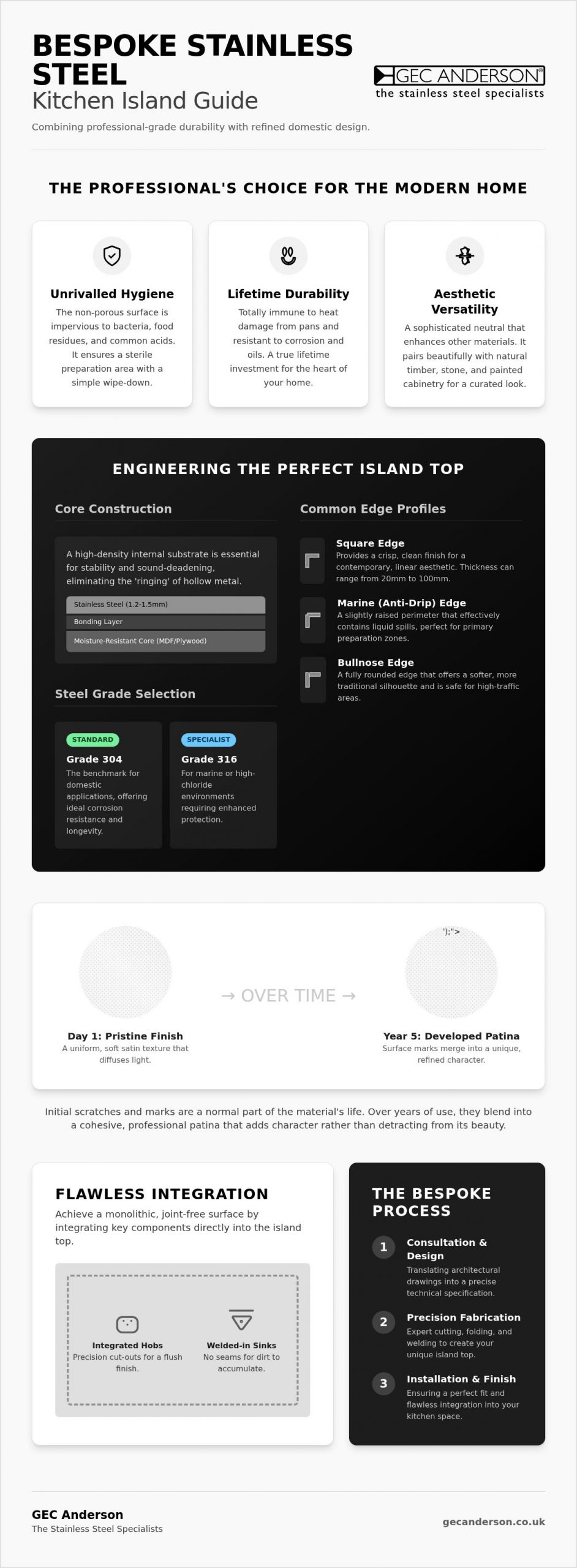
- Recognise why the non-porous properties of stainless steel offer unrivalled hygiene for the central social and functional hub of the home.
- Identify the technical requirements for internal substrates and steel grades that ensure structural stability and noise reduction.
- Learn how to specify stainless steel kitchen island tops with seamlessly integrated sinks and hobs for a flawless, joint-free finish.
- Understand how the material ages, transforming initial surface marks into a refined, professional patina over years of use.
- Explore the consultative bespoke fabrication process required to turn architectural drawings into a precision-engineered reality.
Why Choose Stainless Steel Kitchen Island Tops?
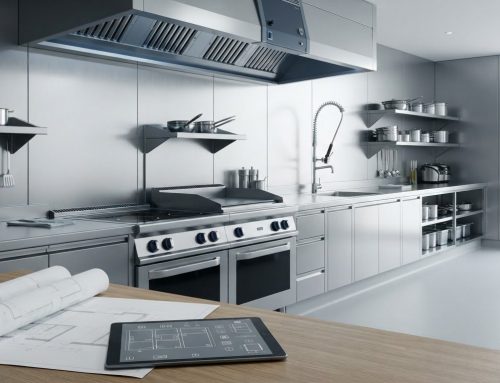
The modern kitchen island has evolved into a multi-functional hub that serves as both a culinary workstation and a social gathering point. Because it occupies a central position, the choice of material is critical for both long-term performance and architectural impact. Selecting stainless steel kitchen island tops allows homeowners to bring the uncompromising standards of a commercial kitchen into a residential setting without sacrificing style. It’s a material that prioritises utility. It offers a clean, polished appearance that remains timeless whilst providing the durability required for a “professional home kitchen” aesthetic.
The Benefits of a Non-Porous Surface
Hygiene is perhaps the most compelling reason to choose metal for a central island. Unlike stone or timber, which contain microscopic pores that can harbour bacteria and food residues, stainless steel is entirely non-porous. This makes it the gold standard for food safety in professional environments, where cross-contamination must be eliminated. The inherent Stainless steel properties include a high resistance to common household acids, such as lemon juice or vinegar, and a total immunity to heat and oils. Cleaning requires nothing more than a simple wipe down with a damp cloth, ensuring the surface remains sterile throughout the day. Grade 304 stainless steel is the established industry standard for domestic applications, providing the ideal balance of corrosion resistance and structural longevity.
Aesthetic Versatility in Modern Design
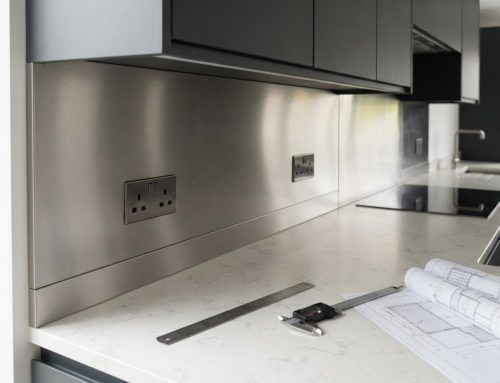
There is a common misconception that metal surfaces feel clinical or cold. In reality, bespoke stainless steel kitchen island tops offer a unique aesthetic versatility that complements a wide range of interior styles. A brushed finish, for instance, provides a soft, satin-like texture that diffuses light, preventing the harsh glare often associated with polished metals. This reflective quality is particularly beneficial for large island units, as it helps the piece feel lighter and less imposing within the room. Stainless steel acts as a sophisticated neutral. It pairs exceptionally well with natural materials:
- Natural timber: The cool tone of the steel creates a striking contrast against the warmth of oak or walnut.
- Painted cabinetry: It provides a crisp, modern edge to traditional shaker-style units in deep blues or forest greens.
- Stone surfaces: Using metal on the island whilst employing stone on the perimeter runs creates a balanced, “high-low” design.
This material doesn’t compete with other textures. It enhances them, contributing to a professional, purposeful aesthetic that feels curated rather than accidental. It’s a choice that reflects a commitment to both form and function. For those considering a complete kitchen transformation, exploring bespoke stainless steel kitchen units alongside your island top can ensure a cohesive, precision-engineered result throughout the entire space.
Technical Specifications for Bespoke Island Tops
The integrity of stainless steel kitchen island tops depends heavily on the engineering hidden beneath the surface. A common oversight in lesser fabrications is the omission of a robust internal substrate. High-quality island tops are bonded to a high-density core, typically moisture-resistant MDF or plywood, which provides essential structural stability. This core doesn’t just prevent the metal from flexing; it acts as a sound-deadening agent to eliminate the hollow, metallic ringing often found in commercial catering environments. It ensures your kitchen remains a quiet, domestic space even during heavy use.
Material selection is equally vital. Whilst Grade 304 stainless steel is the benchmark for residential longevity, Grade 316 is an available alternative for environments with high exposure to chlorides or specific acids. Because an island is a freestanding feature, every edge is visible. This necessitates 360-degree finishing, where the steel is folded and welded with precision on all four sides. Architectural profiles can range from an ultra-slim 20mm for a minimalist aesthetic to a substantial 100mm for a bold, structural statement. When planning these details, reviewing the technical options for stainless steel worktops helps ensure the final specification meets both your aesthetic and functional requirements. Before commissioning your fabrication, understanding how to measure for a stainless steel worktop with the precision required for a bespoke island is an essential step that prevents costly errors during installation.
Selecting the Right Edge Profile
The edge profile defines the island’s silhouette and its practical utility. Square edges are the preferred choice for contemporary, linear designs, providing a crisp and clean finish. For islands that serve as primary food preparation zones, an anti-drip or “marine” edge is highly effective. This slightly raised perimeter contains liquid spills, preventing them from reaching the floor or cabinetry. Conversely, bullnose or chamfered edges offer a softer transition, which can be more comfortable for seating areas where people lean against the surface.
Surface Finishes: Brushed vs. Satin
The choice of finish dictates how your stainless steel kitchen island tops interact with light and how they age. A brushed finish is the most popular specification for domestic islands because its fine, directional grain is excellent at disguising initial fingerprints and minor surface scratches. The graining process involves mechanical abrasives that create a consistent, satin-like texture across the entire surface. Whilst a smoother satin finish offers a more reflective, lustrous appearance, it requires more frequent cleaning to maintain its pristine look. Over time, both finishes will develop a unique patina that tells the story of the kitchen’s use.
Durability, Scratches, and the Evolution of Patina
The question most frequently asked by homeowners considering stainless steel kitchen island tops is whether the material will scratch. It is essential to understand that scratching is an inherent characteristic of the metal, not a defect. Unlike stone or quartz, which are susceptible to permanent chipping or staining from acidic foods and oils, stainless steel remains structurally impervious. It’s a material designed for active use. Whilst the first few marks on a pristine surface may be noticeable, they represent the beginning of a natural transformation that eventually results in a refined, professional finish.
The durability of the surface is underpinned by its chemical composition. Stainless steel contains chromium, which reacts with oxygen to form a microscopic, self-healing layer of chromium oxide. If the surface is scratched, this protective layer reforms almost instantaneously, preventing corrosion and maintaining the integrity of the metal. This chemical resilience makes it a lifetime investment that avoids the gradual degradation common in composite or natural stone surfaces. It doesn’t require the periodic sealing or specialist treatments that other premium materials demand.
Understanding the Patina Process
When a new island top is installed, the initial marks are often a source of anxiety for the owner. However, as the surface is used, these individual scratches intersect and blend, eventually creating a soft, uniform sheen known as a patina. This evolved finish is highly prized by professional chefs, who value a “lived-in” surface that reflects the history of the kitchen’s culinary activity. The patina softens the industrial look, giving the metal a warmer, more matte appearance that complements domestic interiors. Stainless steel is the only material that actually looks better after ten years of heavy use, as the patina provides a depth and character that cannot be manufactured.
Maintenance and Long-Term Care
Maintaining stainless steel kitchen island tops requires very little effort. Daily cleaning is best achieved with simple soap and warm water, followed by a dry cloth to prevent water spots. It is vital to avoid harsh abrasive cleaners or chemicals containing bleach, as these can disrupt the protective chromium oxide layer. For surfaces that have seen decades of intense use, it’s possible to “re-grain” the metal using specific mechanical abrasives to restore its original lustre. This ability to be refurbished ensures the island remains a permanent, high-performance fixture in the home for generations.
Integrating Sinks, Hobs, and Functional Detailing
An island is more than a static surface; it’s a dynamic workstation that requires precision engineering to house essential appliances and fixtures. When specifying stainless steel kitchen island tops, the primary advantage lies in the ability to integrate these elements without the need for unsightly joints or sealant. This creates a continuous, hygienic surface where every cut-out is executed with millimetre-perfect accuracy. Whether you’re planning a central cooking zone or a primary preparation area, the technical detailing of these integrations dictates the final utility of the space.
Precision cut-outs for hobs can be specified for either flush-mounted or proud-standing installations. Flush mounting is a particularly sophisticated architectural choice, as it allows the appliance to sit level with the steel for a completely flat profile. Additionally, integrated drainers and recessed “wet zones” can be fabricated into the top. These features contain water within a specific area, preventing it from migrating across the island. For islands intended for social use, breakfast bar overhangs must be structurally planned. The cantilevered section relies on the internal substrate for support, ensuring the surface remains stable and rigid during use.
The Seamless Sink Advantage
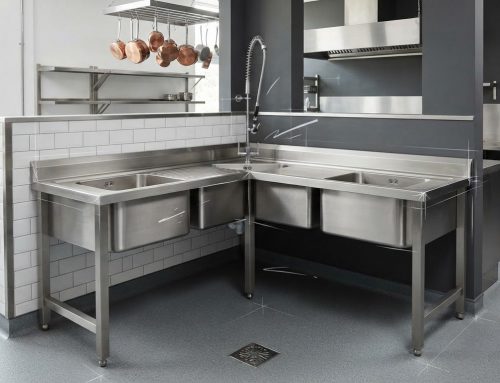
The technical process of integrating a sink involves welding the bowl into the worktop aperture and then polishing the joint by hand until it’s invisible to the eye. This results in a single, monolithic unit that feels part of the worktop. By choosing bespoke stainless steel sinks, you eliminate the silicone joints found in standard installations. These joints are notorious for trapping bacteria and degrading over time. A welded sink offers a permanent, ultra-hygienic solution that is as aesthetically pleasing as it is practical.
Advanced Island Customisations
Bespoke fabrication allows for detailing that standard materials cannot easily accommodate. Integrated pop-up sockets and cable management systems can be designed into the surface to support modern kitchen workstations. For entertaining, you might consider inbuilt ice buckets or herb troughs that are welded directly into the steel. These customisations transform stainless steel kitchen island tops into specialised tools tailored to your lifestyle. If you’re currently planning your layout, you can view our full range of custom options to see what’s possible for your project.
Specifying Your Island Top with GEC Anderson
Since 1962, GEC Anderson Limited has maintained a reputation for technical excellence within the British manufacturing sector. We don’t view an island top as a simple commodity. Instead, it’s a bespoke architectural component that requires a partnership between the manufacturer, the specifier, and the client. Our made-to-measure philosophy ensures that every project is unique, reflecting the specific functional and aesthetic requirements of the modern home. This consultative process allows us to translate complex designs into high-performance realities that stand the test of time.
The GEC Anderson Limited Precision Standard
Standardised solutions rarely meet the exacting demands of high-end contemporary kitchen design. Truly made to measure stainless steel worktops offer a level of precision that off-the-shelf alternatives cannot match. This commitment to technical excellence ensures that every weld is invisible and every edge is perfectly aligned with the supporting cabinetry. We prioritise architectural integrity, ensuring that the final installation feels like a permanent, structural part of the building’s interior. It’s this focus on the master craftsman’s touch that separates a professional surface from a purely industrial one. Homeowners who wish to extend this standard of precision throughout their kitchen may also benefit from our guide to bespoke stainless steel kitchen units and professional fabrication, which explores how made-to-measure cabinetry achieves the same flawless, joint-free results.
Starting Your Project
The transition from a design concept to a finished installation begins with a detailed technical brief. To provide an accurate quotation for stainless steel kitchen island tops, we require comprehensive information regarding the project’s scale and complexity. This typically includes the overall dimensions, the specific location of hob and sink cut-outs, and your chosen edge profile. We frequently collaborate directly with architects and kitchen designers, working from CAD drawings to ensure absolute fidelity during the fabrication process. Whether you’re in the early planning stages or have a finalised design, our team provides the technical wisdom needed to navigate the specification process. You can Contact GEC Anderson Limited to discuss your bespoke island project to receive expert guidance tailored to your specific requirements.
Investing in Architectural Longevity
Choosing stainless steel kitchen island tops is a definitive move away from transient design trends toward a philosophy of permanent, professional-grade utility. By focusing on a non-porous surface and the technical advantage of seamlessly integrated sinks, you ensure your kitchen’s central hub remains ultra-hygienic and entirely heat-proof. The material’s unique capacity to develop a refined patina over time means that every surface mark contributes to its sophisticated architectural character rather than compromising its integrity. It’s a surface that truly tells the story of your home’s culinary history.
GEC Anderson has been a leader in British manufacturing excellence since 1962, providing the exacting standards trusted by architects and commercial specifiers across the UK. Our consultative approach ensures that your made-to-measure island top is fabricated with millimetre precision to meet your specific lifestyle requirements. It’s a rare material choice that rewards heavy use and serves as a lifetime investment for the home. Precision is our standard. If you’re ready to transform your kitchen with a precision-engineered surface, please Request a Bespoke Quote for Your Island Top. We look forward to helping you realise your design.
Frequently Asked Questions
Do stainless steel kitchen island tops scratch easily?
Stainless steel will develop surface marks during the first few months of use. This is a natural process that eventually results in a uniform, professional patina. Unlike stone, these marks don’t compromise the material’s integrity. A brushed finish is the most effective choice for disguising initial scratches. Over time, the surface softens into a matte sheen that’s highly valued in architectural settings for its character and longevity.
How do you clean a stainless steel island top without leaving streaks?
Effective cleaning requires nothing more than warm water and a mild detergent or soap. It’s essential to wipe in the direction of the grain to avoid leaving streaks on the surface. After washing, dry the area immediately with a clean microfibre cloth to prevent water spots or limescale buildup. You should avoid using bleach or abrasive scouring pads, as these can disrupt the protective chromium oxide layer.
Can I put hot pans directly onto a stainless steel island?
You can place hot pans directly onto the surface without risk of scorching, cracking, or melting. Stainless steel is completely heat-proof, which is why it remains the preferred material for professional chef workstations. Whilst the metal conducts heat and may become warm to the touch, it won’t suffer structural damage. This eliminates the need for trivets, allowing for a more fluid and efficient cooking environment on your island.
Are stainless steel island tops noisy when prepping food?
High-quality stainless steel kitchen island tops aren’t noisy when they’re specified with a robust internal substrate. We bond the steel to a high-density core, such as moisture-resistant MDF or plywood. This core acts as a sound-deadening agent, absorbing vibrations and eliminating the hollow ringing sound often associated with thin, industrial tables. The result is a solid, quiet surface that feels substantial and permanent in a domestic setting.
What is the best thickness for a stainless steel kitchen island?
The ideal thickness depends on your architectural preference, though profiles typically range from 20mm to 100mm. A slim 20mm edge offers a minimalist, contemporary look that integrates well with handleless cabinetry. Conversely, a chunky 60mm or 100mm profile creates a bold, structural statement piece. Regardless of the external depth, the structural integrity is maintained by the internal substrate, ensuring the island remains perfectly flat and stable over its entire span.
Can a sink be seamlessly integrated into a stainless steel island top?
Sinks can be seamlessly integrated into the worktop through a precision welding and hand-polishing process. This creates a monolithic unit where the transition between the bowl and the surface is invisible. This method eliminates the silicone joints found in standard installations, which often trap bacteria and grime. A welded sink provides the ultimate hygienic solution for food preparation areas, ensuring there are no crevices where dirt can accumulate.
Is stainless steel more expensive than quartz or granite for an island?
Bespoke stainless steel is a premium material, often comparable in price to high-grade quartz or natural stone. The cost reflects the made-to-measure nature of the fabrication and the high level of craftsmanship required for seamless welding. Whilst the initial investment is significant, it’s a lifetime material that doesn’t require the periodic sealing or repair often necessary for natural stone, making it highly cost-effective over many decades of use.
How do I prevent fingerprints on my stainless steel island?
Fingerprints are best managed by selecting a brushed finish rather than a highly polished one. The fine grain of a brushed surface diffuses light and makes natural oils from the skin less apparent. Regular cleaning with simple soap and water is usually sufficient to maintain a pristine appearance. For a more resilient finish, some owners use a specialist cleaner or a tiny amount of baby oil to buff the stainless steel kitchen island tops.