
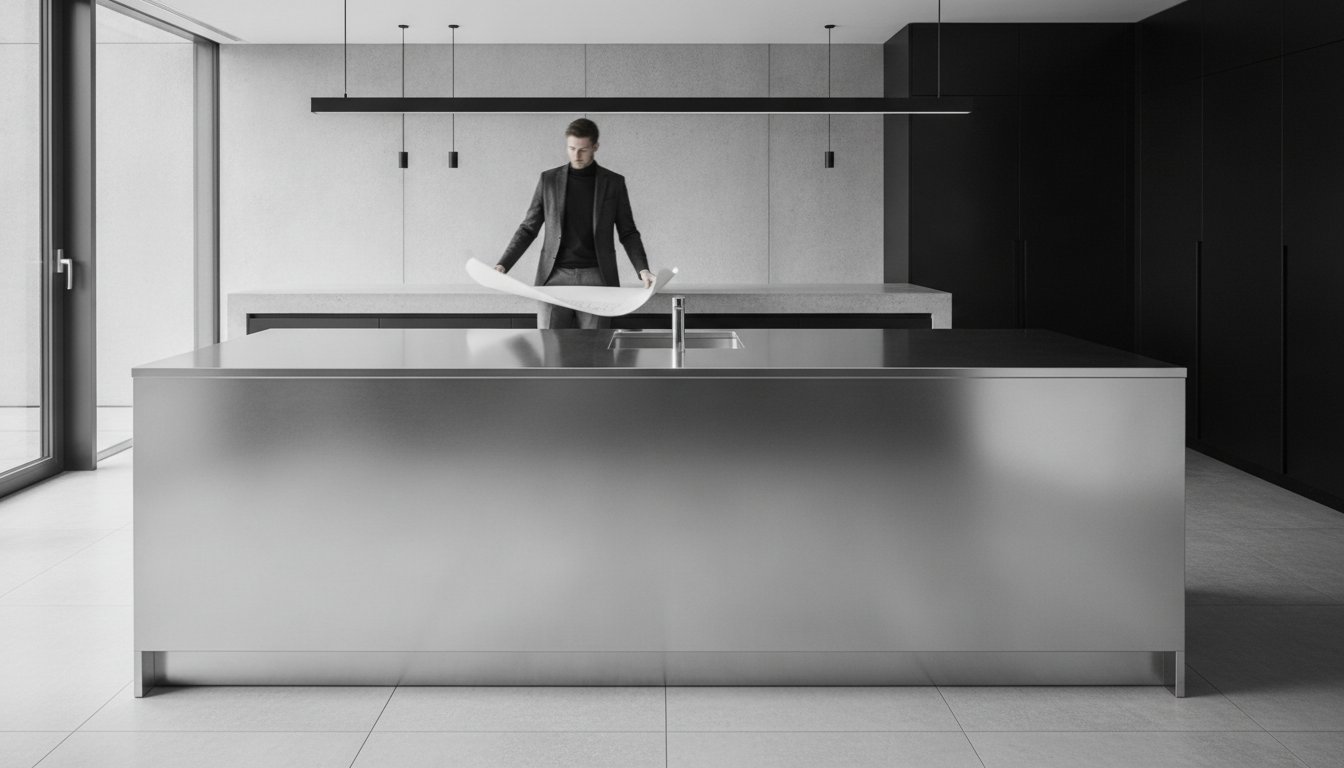
A stainless steel worktop is often the only architectural element in a kitchen designed to outlast the building itself. You likely recognise that while many materials offer temporary aesthetic appeal, few can match the uncompromising hygiene and structural integrity required for high-specification residential or commercial projects. It’s understandable to harbour concerns regarding a clinical appearance or the inevitability of surface scratches; however, these are often the result of improper specification rather than material failure. This guide demonstrates how to specify premium, bespoke solutions that balance industrial-grade performance with sophisticated design, ensuring your vision remains both beautiful and practical for decades.
We’ll examine the technical distinctions between 304 and 316 grades, explore how specific brushed finishes elegantly mask daily wear, and outline how professional technical support can streamline your design process. By understanding the nuances of bespoke fabrication and the master craftsman’s approach to detail, you’ll discover how to integrate seamless, hygienic surfaces that meet the most exacting architectural standards. From managing complex sizing requirements to achieving a polished, high-end appeal, this overview provides the clarity needed to deliver a product that truly lasts a lifetime.
Key Takeaways
- Identify the correct material grade for your environment, distinguishing between the versatile Grade 304 and the chemically resistant Grade 316.
- Achieve a superior, hygienic finish by specifying a bespoke stainless steel worktop with seamlessly welded sinks and splashbacks.
- Ensure structural stability and acoustic performance by selecting high-quality, moisture-resistant substrates that eliminate unwanted resonance.
- Evaluate the benefits of made-to-measure fabrication against modular systems to find the most efficient solution for complex architectural layouts.
- Leverage over sixty years of specialist expertise and a consultative design approach to ensure precise delivery from the initial brief to final installation.
The Enduring Appeal of a Stainless Steel Worktop in Modern Design
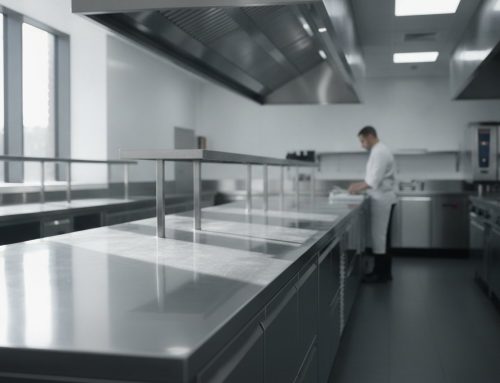
The transition of the stainless steel worktop from the strictly functional world of professional catering to the heart of modern residential design marks a significant shift in architectural priorities. High-end interiors now frequently feature these surfaces, not just for their utility, but for a specific aesthetic known as quiet confidence. Architects appreciate how a neutral, reflective metal surface interacts with its environment without overwhelming it. Unlike stone, which often dictates the room’s palette through its unique veining, this material adapts to and reflects the surrounding colours and textures.
This enduring appeal is rooted in the relationship between functional longevity and sustainable design. Since stainless steel is inherently durable and typically composed of significant recycled content, it fits perfectly within the philosophy of creating permanent, high-quality fixtures. It’s a choice that rejects temporary trends in favour of a product designed to last for the duration of the building’s life. By positioning the material as a lifetime investment, designers can ensure that the kitchen remains relevant and functional for decades.
Hygiene and Practicality in Professional Environments
The material’s reputation for hygiene is well-founded, as its non-porous surface is naturally antibacterial and meets the most stringent healthcare and catering standards. This makes it exceptionally easy to decontaminate, even amongst the heavy use of a busy family home. It’s impervious to heat and resistant to common household acids, such as lemon juice or vinegar, which can easily etch or damage natural stone surfaces. This resilience ensures that the surface remains a safe and sterile workspace for food preparation without requiring specialist sealants or intensive maintenance regimes. The structural integrity of the metal also means it handles heavy impacts without the risk of cracking or chipping.
Aesthetic Versatility: From Industrial to Minimalist
Stainless steel offers a unique versatility that allows it to bridge the gap between industrial heritage and minimalist luxury. It pairs effortlessly with other natural materials; for instance, the cool precision of a stainless steel worktop provides a striking contrast against the warmth of a solid timber island or the raw texture of exposed concrete. In smaller kitchen spaces, its ability to reflect light helps to create a sense of openness, making the room feel more expansive. When specified as a large island, it becomes a functional centrepiece that anchors the entire room, providing a clean and organised workspace that remains visually light despite its impressive structural strength. For projects where the island is the primary focus, exploring bespoke stainless steel kitchen island tops can provide further guidance on achieving the ideal specification.
Technical Specification: Material Grades and Surface Finishes
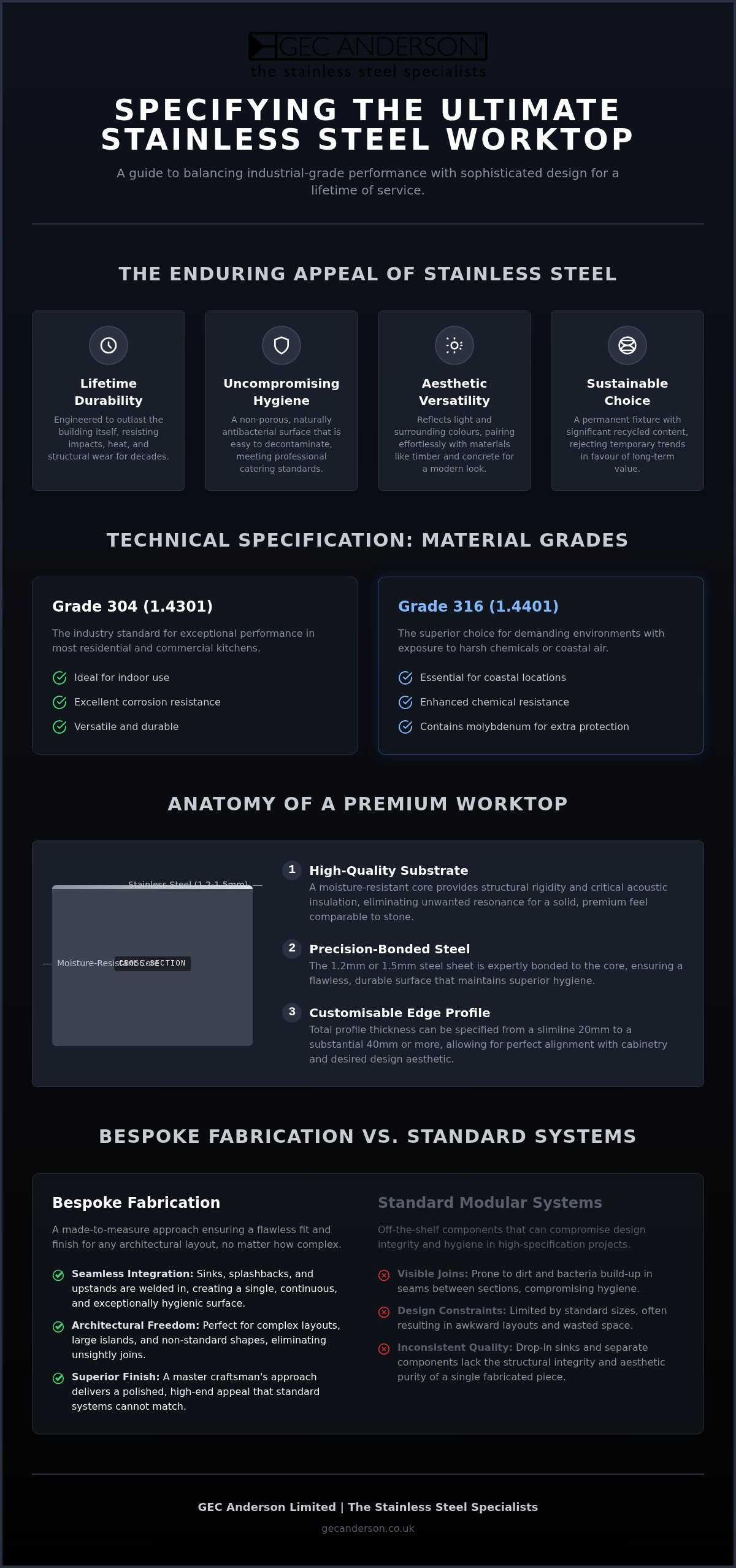
Selecting the appropriate material grade is a fundamental step in the specification process. For the majority of residential and commercial kitchen environments, Grade 304 (1.4301) provides exceptional corrosion resistance and durability. However, in more demanding settings, such as coastal locations or laboratories where harsh chemicals are present, Grade 316 (1.4401) is the necessary choice due to its higher molybdenum content. Understanding the technical nuances between these stainless steel grades ensures that the specified surface remains untarnished by the specific environmental stresses of the site.
The performance of a stainless steel worktop is largely determined by what lies beneath the metal. A high-quality substrate, typically a moisture-resistant core, is bonded to the steel to provide structural rigidity and acoustic insulation. Without this support, the metal can produce a hollow drumming sound when items are placed upon it. A solid, precision-bonded core eliminates this resonance, resulting in a surface that feels as substantial as stone whilst maintaining the superior hygiene of metal.
Visual weight is another critical design consideration. While the steel sheet itself is typically 1.2mm or 1.5mm thick, the total profile can range from a slimline 20mm to a more substantial 40mm or greater. This allows architects to align the worktop’s aesthetic with the broader cabinetry design, whether the goal is a sleek, minimalist line or a bold, industrial statement. The choice of thickness impacts both the structural integrity and the perceived permanence of the installation.
The Beauty of the Brushed Finish
A brushed or satin finish is the professional standard for high-end installations. This texture is achieved through a controlled abrasive process that creates a uniform grain across the entire surface. It’s particularly effective at concealing the minor abrasions and fingerprints that naturally occur with daily use, allowing the worktop to develop a graceful patina over time. Maintaining this lustre requires minimal effort, provided the grain is respected during cleaning. This finish ensures long-term durability without the high-maintenance requirements of polished or mirrored surfaces.
Specifying Edge Details and Upstands
Edge profiles define the transition between the horizontal work surface and the vertical cabinetry. A square edge offers a sharp, modern silhouette, whereas a marine edge provides practical benefits in high-moisture areas. A marine edge is a raised perimeter detail designed to prevent liquid runoff. Integrated upstands further enhance the architectural clean lines by extending the steel surface up the wall, eliminating the need for silicone joints which can degrade and harbour bacteria over time. For projects requiring exacting standards, consulting with specialists like GEC Anderson can help refine these technical details during the early design phases.
Bespoke Fabrication vs. Standard Modular Systems
Choosing between made-to-measure fabrication and modular systems is a pivotal decision in the architectural specification of a stainless steel worktop. While standard modular units offer efficiency, bespoke fabrication provides the freedom to overcome awkward room layouts and non-standard dimensions that often characterise high-end architectural projects. For instance, a truly bespoke approach allows for the creation of seamless L-shaped surfaces or expansive, oversized island units that would be impossible to achieve with pre-fabricated components. This level of customisation ensures that every millimetre of the workspace is utilised effectively, maintaining the clean lines and structural integrity essential for professional environments. Architects seeking a fully integrated solution should also consider how bespoke stainless steel kitchen units can complement the worktop specification to deliver a cohesive, precision-engineered result.
The consultative process at GEC Anderson relies heavily on precision CAD and technical drawings to bridge the gap between initial concept and final delivery. This methodical approach ensures that every specification aligns with the broader project requirements, following established stainless steel design guidelines to guarantee long-term performance. By providing detailed technical support, we help architects navigate the complexities of integration, ensuring that the final installation is as functional as it is visually striking. This partnership-led strategy transforms a simple surface into a precision-engineered architectural element.
The Freedom of Made-to-Measure Design
Designing without the constraints of standard cabinet widths allows for a more fluid and responsive kitchen layout. Made-to-measure surfaces accommodate existing architectural features, such as structural pillars or irregular wall angles, with absolute precision. This flexibility extends to the integration of specialised equipment, where custom cut-outs for hobs, extractors, and bespoke sinks are executed with exacting tolerances. It’s this attention to detail that distinguishes a premium stainless steel worktop installation from a standard renovation, ensuring the worktop fits perfectly amongst the unique nuances of the site. The same principles apply when specifying made-to-measure stainless steel kitchen island tops, where precise dimensions are equally critical to achieving a seamless architectural result.
Modular Solutions for Scale and Efficiency
In scenarios where scale and rapid deployment are priorities, modular solutions offer a compelling balance of custom aesthetics and standardised efficiency. Utilising modular cabinets and shelving allows for the organisation of complex spaces without the extended lead times often associated with full bespoke fabrication. The Stortidy System represents a refined example of this approach, providing professional storage efficiency through a range of modular components that can be configured to suit specific operational needs. While custom fabrication offers ultimate design freedom, modular systems provide a reliable, high-quality alternative that simplifies installation and reduces project timelines for both commercial and residential applications.
Integrating Sinks and Splashbacks for a Seamless Aesthetic
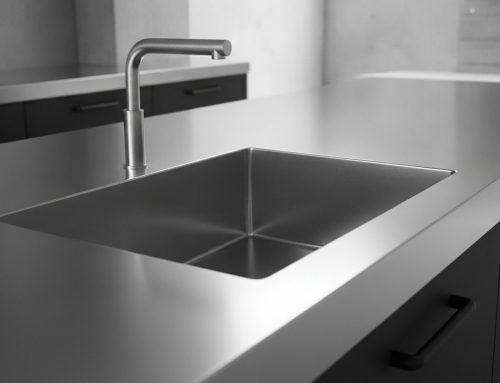
The architectural superiority of a bespoke stainless steel worktop is most evident in the seamless integration of sinks and splashbacks. Whilst many suppliers provide sinks as separate add-on items, a master craftsman approach treats the entire surface as a single, unified furniture system. This is achieved through a meticulous welding and finishing process that eliminates visible joints. By removing the traditional seams found in stone or composite installations, you eliminate the risk of leaks and the accumulation of grime, resulting in a surface that is as structurally sound as it is visually continuous.
The Seamless Sink Integration
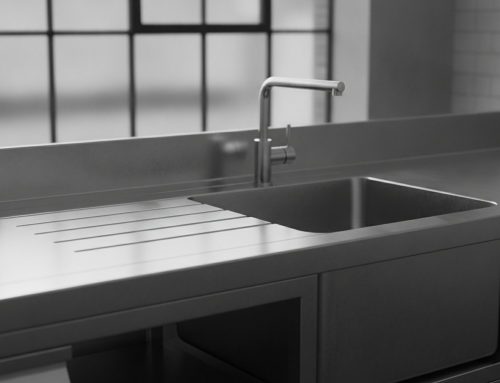
Integrated sinks represent the gold standard for hygiene, meeting the rigorous demands of medical laboratories and professional food preparation areas. When the sink is welded directly into the worktop, the transition becomes completely smooth, creating a monolithic look that stone cannot replicate. This effect allows the sink to effectively disappear into the surface, maintaining the minimalist lines of the overall design. Architects can specify a wide array of configurations, from large single bowls for industrial utility to complex double-bowl arrangements with integrated, recessed drainer patterns. These configurations are fabricated to the millimetre, ensuring that the utility of the sink area perfectly matches the project’s specific requirements.
Splashbacks and Upstands: Protection and Polish
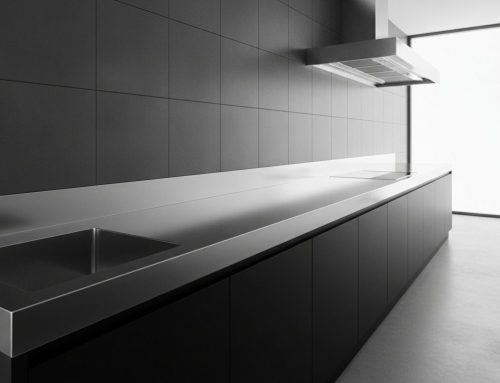
Transitioning the metal from the horizontal work surface to a vertical splashback creates a powerful visual impact. This single-material solution provides a sense of continuity that anchors the kitchen design across both planes. Custom-cut splashbacks are fabricated with precision-engineered cut-outs for socket outlets, ensuring a flush and tidy finish that avoids the clumsy gaps often seen with tiled or stone alternatives. Beyond the aesthetic polish, these large vertical surfaces play a functional role by reflecting light back into the room, which is particularly beneficial in kitchens with limited natural illumination.
To maintain the pristine appearance of these vertical surfaces, regular cleaning with a soft cloth and neutral detergent is recommended. It’s essential to wipe along the grain of the brushed finish to prevent streaking and preserve the metal’s understated lustre. This simple maintenance ensures the surface remains a permanent, high-performance fixture for the life of the interior. For those seeking to eliminate joints and maximise hygiene, explore our bespoke integrated sinks and splashbacks to see how seamless fabrication can transform your next project.
Specifying GEC Anderson: From Concept to National Delivery
Specifying a premium stainless steel worktop requires more than just selecting a material; it demands a partnership with a specialist who understands the intricacies of architectural design. GEC Anderson has provided this expertise since 1962, building a heritage of over six decades in specialist independent manufacturing. Our role is to act as a steady, reliable guide for architects and specifiers, ensuring that every project benefits from a legacy of technical excellence. Unlike regional fabricators with limited reach, we offer a comprehensive national supply and support network, delivering bespoke excellence to sites across the United Kingdom.
The Consultative Design Process
A successful installation begins long before the first piece of steel is cut. Our consultative approach involves working alongside architects from the initial brief to provide technical wisdom that ensures design intent matches manufacturing reality. We understand that architectural visions often push the boundaries of standard solutions, which is why we prioritise precise site measurements and professional templating. This methodical process reduces the risk of error and ensures a seamless fit within the building’s structural framework. It’s a partner-like relationship that extends well beyond the point of sale, offering stability and competence throughout the construction phase.
Commitment to Quality and Sustainability
Choosing stainless steel is a decision that aligns with modern sustainable design principles. It’s a 100% recyclable material with an exceptionally low lifecycle cost, as the longevity of the product removes the need for frequent replacements. Our “master craftsman” ethos is evident in every weld and finish, where attention to detail is paramount. We don’t rely on aggressive sales tactics; instead, we let the quality of our bespoke stainless steel kitchen units, worktops, sinks, and cabinets speak for themselves. This commitment to permanent, high-end utility reflects our position as an established leader in the niche of architectural metalwork.
To begin the specification process, we encourage architects to request material samples or arrange a technical consultation to discuss specific project requirements. Whether you are designing a high-traffic commercial kitchen or a bespoke residential centrepiece, our team is available to provide the granular detail and professional guidance needed to ensure a successful outcome. Contact GEC Anderson for a technical consultation to explore how our heritage of craftsmanship can support your next project.
Designing for Permanence and Precision
Specifying a stainless steel worktop is a commitment to a lifetime of hygiene, structural integrity, and architectural clarity. By selecting the appropriate material grade and leveraging the benefits of seamless fabrication, you can create a surface that transcends temporary trends. The transition from commercial utility to residential luxury is achieved through a precise understanding of technical details, from moisture-resistant substrates to the monolithic integration of sinks and splashbacks.
Established in 1962, GEC Anderson remains a trusted partner for leading architects and commercial specifiers across the UK. Our bespoke solutions are manufactured with a master craftsman’s attention to detail, ensuring every project benefits from over six decades of technical excellence. We invite you to explore the possibilities of precision-engineered metalwork for your next specification. Our consultative approach ensures that your design intent is matched by manufacturing reality, resulting in a product that stands the test of time.
View our Bespoke Stainless Steel Worktop Gallery to discover how our heritage and expertise can enhance your architectural vision.
Frequently Asked Questions
Do stainless steel worktops scratch easily in a domestic kitchen?
Stainless steel will develop minor surface abrasions over time, but these marks eventually blend into a uniform patina. This characteristic is a natural part of the material’s life cycle and is often seen as a mark of a professional, working kitchen. Choosing a brushed finish is the most effective way to mask these early scratches. Unlike stone, these surface marks don’t compromise the structural integrity or the inherent hygiene of the surface.
Can I have a stainless steel worktop cut to size for an existing kitchen?
Yes, every stainless steel worktop provided by GEC Anderson is fabricated to precise dimensions for your specific layout. Since we specialise in made-to-measure solutions, we can accommodate non-standard widths, irregular wall angles, and specific appliance cut-outs. This ensures a perfect fit that standard modular systems simply can’t match. We recommend professional templating to ensure that the new surface integrates seamlessly with your current cabinetry and architectural features.
What is the best way to clean and maintain a brushed stainless steel finish?
Maintaining a brushed finish involves simple, regular cleaning with a soft cloth and a neutral detergent. It’s essential to always wipe in the direction of the grain to prevent streaking and preserve the metal’s lustre. You should avoid using abrasive cleaners, bleach, or steel wool, as these can damage the protective chromium oxide layer. For deeper cleans, specialist stainless steel cleaners are available, but they aren’t typically necessary for daily maintenance.
Are stainless steel worktops more expensive than granite or quartz?
The cost of a premium, bespoke metal surface is generally comparable to high-end granite or quartz. While the initial investment is significant, the lifecycle value is often superior because the material is virtually indestructible and requires no periodic resealing. Prices vary based on the complexity of the fabrication, such as integrated sinks or upstands. It’s best to view the material as a permanent architectural fixture rather than a temporary decorative choice.
Is it possible to integrate a sink seamlessly into the worktop?
Integrating a sink seamlessly is one of the primary advantages of choosing a bespoke metal surface. We weld the sink directly into the worktop and then finish the joint until it’s completely invisible. This process creates a monolithic unit with no crevices for grime or bacteria to gather. It’s the gold standard for hygiene in both residential and professional environments, providing a level of cleanliness that stone or composite materials can’t achieve.
What material grades do GEC Anderson use for their bespoke worktops?
GEC Anderson primarily utilises Grade 304 and Grade 316 stainless steel for bespoke fabrications. Grade 304 is the industry standard for domestic and commercial kitchens due to its excellent corrosion resistance. For more demanding environments, such as laboratory settings or coastal locations, we specify Grade 316. This grade contains molybdenum, which provides enhanced protection against pitting and corrosion from chlorides and harsh chemicals, ensuring the product’s longevity in challenging conditions.
Can stainless steel worktops be used in outdoor kitchens or coastal areas?
Stainless steel is an ideal material for outdoor kitchens and coastal projects when specified correctly. In these environments, we recommend using Grade 316 to withstand the increased exposure to salt and moisture. Its superior resistance to atmospheric corrosion ensures that the surface won’t rust or degrade over time. Regular cleaning remains important in outdoor settings to remove salt deposits and maintain the aesthetic quality of the brushed finish throughout the year.
How do you prevent the “tinny” sound often associated with metal worktops?
We eliminate the resonance often associated with metal by bonding the steel to a high-quality, moisture-resistant substrate. This core provides structural rigidity and acts as an acoustic dampener, ensuring that the stainless steel worktop feels solid and quiet during use. When you place items on the surface, the sound is deadened rather than amplified. This technical detail is what distinguishes a professional architectural product from a basic sheet metal fabrication.