
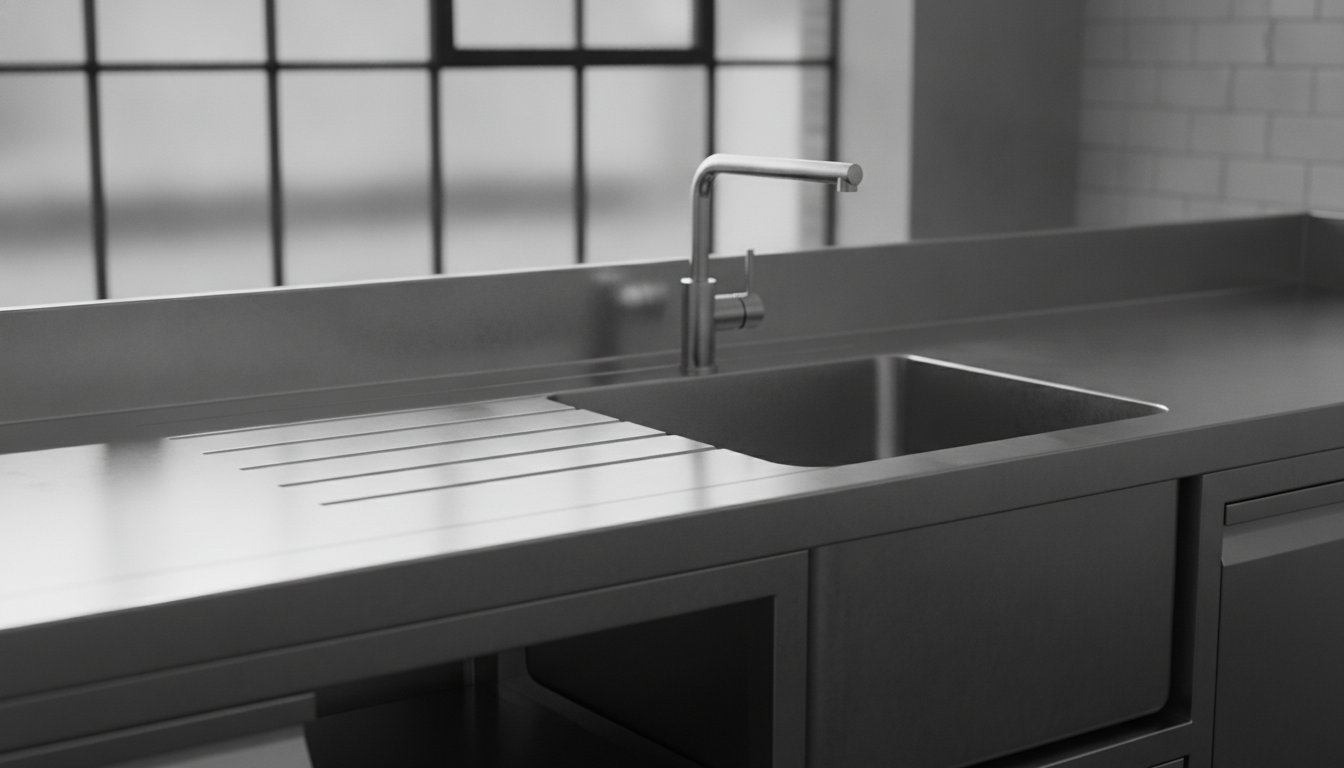
The assumption that all metal surfaces are created equal is a costly misconception when designing for high-traffic culinary environments. True durability isn’t merely about the material used; it’s about the synergy between material grade, gauge thickness, and precision fabrication. When you specify catering grade stainless steel sinks, you aren’t just choosing a fixture. You’re investing in a 50-year lifecycle defined by uncompromising hygiene and structural integrity.
You likely understand that a professional kitchen is only as efficient as its most robust component. Yet, the terminology surrounding stainless steel can be notoriously opaque, leaving even seasoned architects and specifiers questioning whether they’ve selected the correct EN grade or bowl configuration for a bespoke layout. This guide provides the technical clarity required to master these specifications, ensuring your installations meet the highest hygienic standards whilst resisting the daily rigours of professional use. We’ll examine the essential framework for selecting material grades, the critical role of seamless integration, and how to navigate the complexities of bespoke requirements for unique footprints.
Key Takeaways
- Identify the technical criteria that define high-performance catering grade stainless steel sinks, ensuring your specification supports long-term durability and aseptic requirements.
- Distinguish between material grades such as EN 1.4301 and EN 1.4401 to ensure the chosen surface resists corrosion in specific environments.
- Recognise why seamless integration and the elimination of dirt traps are the professional standard for maintaining superior hygiene.
- Optimise kitchen flow by selecting the correct bowl configurations and made-to-measure lengths to suit unique architectural layouts.
- Implement precise maintenance routines, including the requirement to rinse with cold water, to preserve the structural integrity of the installation for its 50-year lifecycle.
What Defines Catering Grade Stainless Steel Sinks?
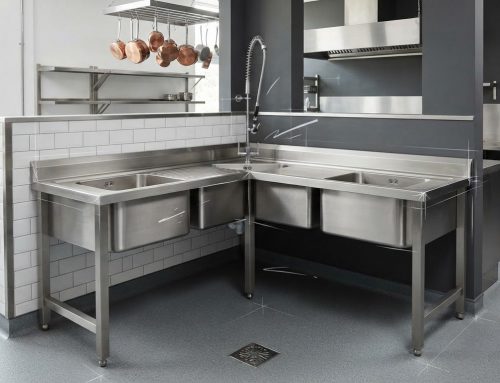
A professional sink is far more than a simple basin for washing. In high-pressure environments, catering grade stainless steel sinks function as essential technical equipment, engineered to withstand rigorous use in commercial kitchens, laboratories, and healthcare facilities. These fixtures must possess specific physical properties, namely exceptional durability, resistance to thermal shock, and aseptic surfaces that prevent bacterial colonisation. Without these attributes, a sink becomes a point of failure in a facility’s operational workflow.
Standard domestic sinks frequently fail in high-traffic catering environments because they lack the structural integrity required for heavy-duty tasks. Whilst a residential model might suffice for light use, it often features thinner metal gauges and lower-grade alloys that succumb to denting and surface degradation. Professional quality is defined by European standards, specifically EN 1.4301 and EN 1.4401, which ensure the material can handle constant exposure to heat and chemicals without compromising hygiene.
The Professional Standard of EN 1.4301
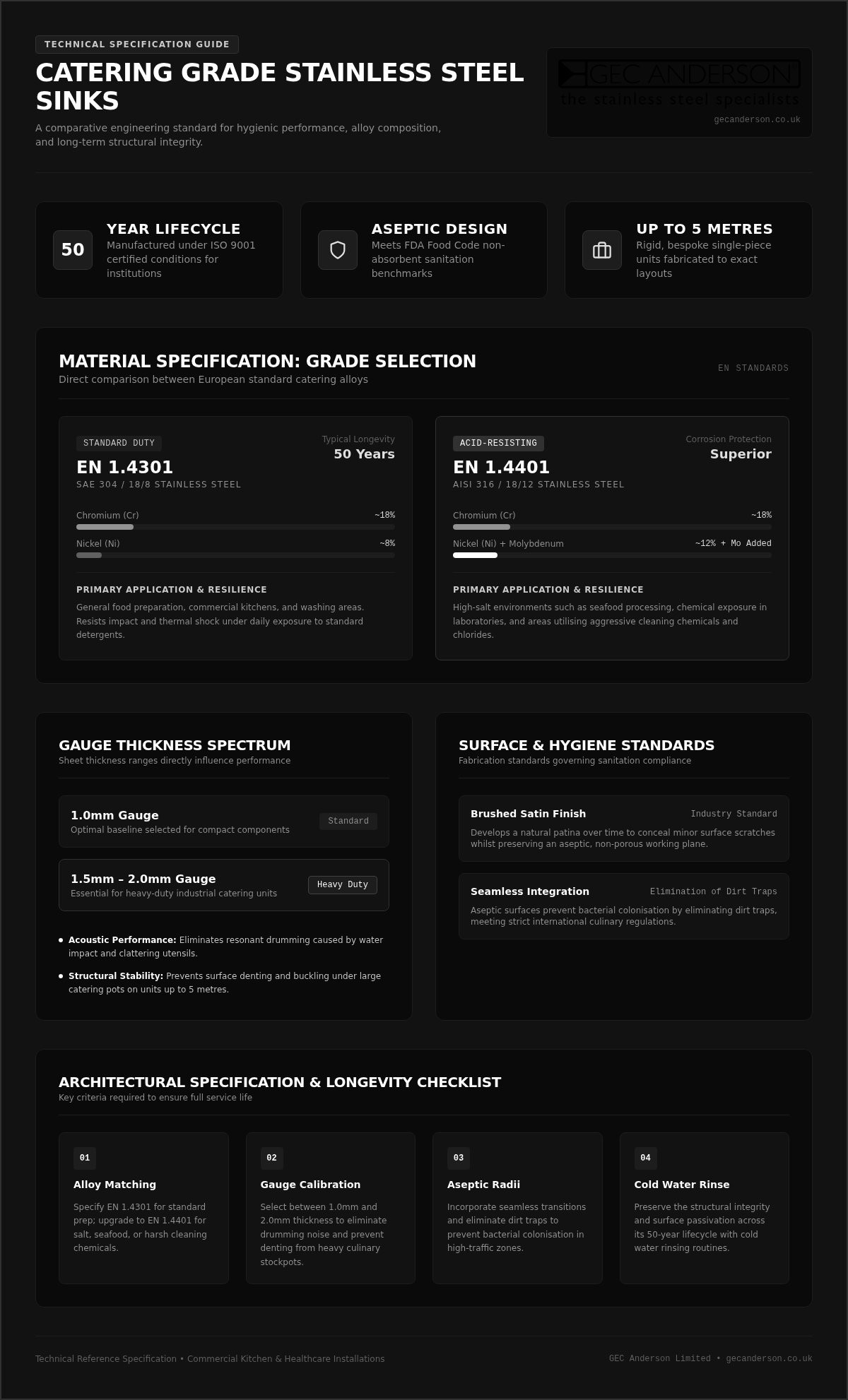
The most common specification for general catering applications is EN 1.4301, often referred to as 18/8 or SAE 304 stainless steel. This material grade contains approximately 18% chromium and 8% nickel, providing a robust balance of corrosion resistance and mechanical strength. It’s favoured amongst specifiers because it resists impact and thermal shock, ensuring the surface remains smooth and easy to sterilise even after decades of use. When manufactured under ISO 9001 certified conditions, these units offer a typical lifecycle of approximately 50 years, representing a stable investment for any institution.
Acid-Resisting Grade EN 1.4401
In environments where the surface is exposed to more aggressive substances, specifying an acid-resisting grade like EN 1.4401 (AISI 316) is vital. This grade is often termed 18/12 due to its higher nickel content and the addition of molybdenum. It provides enhanced protection against chloride-containing materials and salts, which are common in specific food preparation processes and laboratory settings. Whilst the initial investment for 1.4401 may be higher, its ability to maintain structural integrity in corrosive environments prevents the premature failure of the installation. Choosing the correct grade at the outset is a hallmark of professional specification, ensuring the equipment remains fit for purpose throughout its long service life.
Material Specification Checklist: Gauge and Grade
Precision in material selection is the foundation of a high-performance kitchen. Whilst the choice between material grades establishes chemical resilience, the physical dimensions of the sheet metal determine the unit’s structural longevity. When specifying catering grade stainless steel sinks, the checklist must account for both the environment’s corrosive potential and the mechanical demands of the daily workflow.
- Grade EN 1.4301 (304): Specified for general food preparation and washing areas where standard detergents are used.
- Grade EN 1.4401 (316): Required for high-salt environments, such as seafood processing, or where aggressive cleaning chemicals are prevalent.
- Gauge Thickness: Options ranging from 1mm to 2mm, with the manufacturer typically selecting the optimal thickness based on the overall dimensions of the unit.
- Surface Finish: A brushed satin finish is the professional standard for its balance of aesthetic appeal and maintenance efficiency.
Understanding Stainless Steel Gauge
The thickness of the steel, or gauge, directly impacts the acoustic and structural performance of the sink. Thicker gauges, such as 1.5mm or 2mm, are essential for heavy-duty industrial applications to prevent “drumming”—the resonant noise caused by water impact or clattering utensils. Beyond noise reduction, a robust gauge prevents surface denting and buckling under the weight of large catering pots. For expansive worktops or bespoke units reaching up to 5 metres, using a thicker gauge ensures the entire surface remains rigid and perfectly level over decades of use.
Finish and Texture Considerations
Surface texture is a critical factor in both hygiene and appearance. A satin finish is favoured because it develops a natural patina over time, effectively concealing the minor surface scratches that are inevitable in a busy kitchen. These finishing choices aren’t merely aesthetic; they’re foundational to meeting global sanitation benchmarks, such as FDA Food Code standards, which demand non-porous and easily cleanable surfaces for food-contact areas. Whilst textured finishes are available for specific aesthetic requirements, they’re generally limited to maximum sizes of 2.4 x 1.15 metres. Maintaining a smooth, consistent finish across the sink and draining area ensures that bacteria have no microscopic crevices in which to dwell.
Selecting the correct combination of grade and gauge ensures the installation remains fit for purpose for its entire 50-year lifecycle. For those designing complex or high-traffic layouts, consulting with a specialist to provide made-to-measure stainless steel sinks ensures that material thickness is technically matched to the scale of the project.
Hygienic Design: The Seamless Professional Standard
The true measure of hygiene in professional environments isn’t just the grade of steel, but how that steel is joined. Whilst standalone units are common, they often rely on mechanical joints or silicone seals that inevitably degrade. These junctions create microscopic recesses where organic matter and moisture accumulate, leading to bacterial growth. High-performance catering grade stainless steel sinks solve this through seamless fabrication. By integrating the sink bowl directly into the worktop via precision welding and expert polishing, the entire unit becomes a single, non-porous surface. This aseptic environment is essential for maintaining the rigorous standards required in commercial kitchens and healthcare facilities.
Integrated Sink and Worktop Units
Specifying integrated sink and worktop units represents the pinnacle of hygienic design. In these configurations, the transition between the worktop and the sink bowl is imperceptible. This eliminates the “dirt traps” found in drop-in or under-mount alternatives. For a detailed technical comparison of mounting methods and their long-term hygiene implications, the specification guide for undermount stainless steel sinks provides essential insight into how different installation approaches affect cleanability and structural integrity. Functional benefits extend beyond cleanliness; a continuous surface with seamless returns and upstands prevents moisture from seeping into the cabinetry below. This protection is vital for the long-term structural integrity of the kitchen furniture, especially in high-volume areas where water usage is constant. Made-to-measure units allow for these surfaces to extend up to 5 metres without a single visible seam, providing a level of cleanliness that mass-produced alternatives can’t match.
Bowl Geometry and Drainage
The internal architecture of the sink bowl is just as critical as its integration. Professional catering grade stainless steel sinks utilise radius corners, which are easier to wipe clean than sharp 90-degree angles. These curves ensure that waste is directed efficiently towards the drain rather than being caught in the corners. When specifying, the Series A range of sink bowls offers a variety of standard professional sizes that can be configured into double or triple arrangements. It’s also important to ensure that bespoke units maintain correct drainage slopes. As noted in the British Stainless Steel Association material selection guide, the cleanability of a surface is heavily influenced by its design and finish. Proper geometry ensures that water doesn’t pool, which is a fundamental requirement for preventing biofilm formation in food preparation areas.
Configuration Checklist: Sizing and Practical Layouts
The operational efficiency of a professional kitchen is often dictated by the configuration of its primary workstations. When specifying catering grade stainless steel sinks, the layout must be designed to facilitate a logical workflow, moving from soiled items to clean storage without cross-contamination. This process begins with determining the required bowl count. Whilst a single basin may suit a small prep station, high-traffic environments often demand double or triple configurations to separate distinct tasks like vegetable preparation and heavy pot washing.
Optimising with Series A Sink Bowls
Selecting the correct bowl dimensions is vital for ensuring the unit remains fit for purpose. Architects can refer to the made to measure stainless steel sinks technical reference to identify the optimal sizes for their project. The Series A range provides a versatile selection, from the compact A18 for hand washing to the expansive A70 for industrial-scale cleaning. Arranging these bowls with internal partitions allows for multi-stage preparation, ensuring that each phase of the culinary process has a dedicated, hygienic space. This level of customisation ensures that no space is wasted and every centimetre of the worktop serves a functional role. For a comprehensive overview of how bowl apertures relate to standard cabinetry and how to determine the correct kitchen sink sizes for bespoke installations, a dedicated size guide provides the precise dimensional data required at the specification stage.
Bespoke vs Modular (Decimetric®)
Designers must choose between fully bespoke solutions and modular systems based on the architectural constraints of the space. Fully made-to-measure units are indispensable for unique footprints or historic buildings where standard dimensions won’t fit. These units can be manufactured in continuous lengths up to 5 metres, providing a seamless surface that eliminates the need for site joints. Alternatively, the Decimetric® modular system offers a highly efficient alternative. By using 100mm modular increments, this system provides rapid availability and economic value whilst maintaining the brand’s reputation for technical excellence. It’s a pragmatic choice for projects that require professional-grade equipment within a standardised framework.
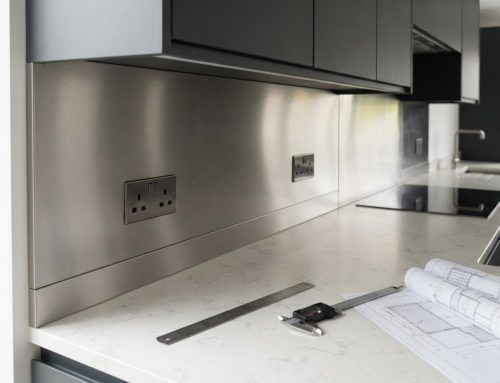
A comprehensive specification also includes integrated components such as drainers, splashbacks, and pre-drilled tap holes. Incorporating these elements into the initial design ensures a cleaner installation and reduces the need for on-site modifications. To ensure your layout meets the exacting standards of a professional environment, you can view our full range of stainless steel sinks and explore custom configuration options.
Maintenance and Longevity Checklist
The specification of catering grade stainless steel sinks represents a commitment to a 50-year lifecycle. This longevity is only realised through a maintenance protocol that prioritises the preservation of the material’s protective oxide layer. Whilst domestic cleaning advice often suggests warm water, professional standards for high-performance steel are more exacting. Adhering to these rules ensures the unit remains an asset rather than a liability over decades of heavy use.
- Rinsing: Always use cold water for rinsing. Never use warm or hot water, as it can promote mineral spotting.
- Drying: Never leave a catering sink to air dry. Always dry the surface with a soft cloth immediately after cleaning.
- Cleaning Direction: Always follow the grain of the steel when wiping or cleaning to maintain the surface texture and integrity.
The Professional Cleaning Protocol
A daily cleaning routine is essential for preventing the accumulation of calcium and organic deposits. When applying cream cleaners, it’s vital to work gently whilst following the grain of the metal. This technique avoids the micro-abrasions that can dull a satin finish over time. Once cleaned, the surface must be rinsed thoroughly with cold water to remove any residual chemicals. To eliminate stubborn water marks or calcium deposits, a mild solution of vinegar or 10% acetic acid is recommended, as it effectively dissolves minerals without harming the steel.
Addressing Surface Issues
Visible rust on a professional sink is rarely a sign of material failure. It’s typically the result of foreign iron particles, often from steel wool or metal utensils, becoming embedded in the surface and oxidising. These deposits don’t indicate that the sink itself is rusting, but they must be removed to maintain hygiene. For persistent stains or surface rust, a diluted solution of nitric acid can be applied to restore the surface. This level of care, practiced by major institutions like the NHS, ensures that catering grade stainless steel sinks remain as functional and aseptic on their fiftieth year as they were on their first.
Specifying for Professional Longevity
Selecting the correct catering grade stainless steel sinks requires a balance of metallurgical precision and functional design. By choosing the appropriate EN grade and ensuring a robust gauge thickness, you secure a foundation that resists the physical and chemical demands of high-traffic environments. The transition from standard fixtures to seamless, made-to-measure units eliminates the hygiene risks associated with traditional joints, providing an aseptic surface that’s trusted by major institutions such as the NHS and the British Library.
GEC Anderson brings over six decades of expertise to every project, utilising ISO 9001 certified manufacturing to deliver units in continuous lengths of up to 5 metres. Whether you’re designing for a commercial kitchen or a specialised laboratory, the combination of technical excellence and methodical maintenance ensures a lifecycle that spans half a century. We invite you to explore our range of bespoke catering grade sinks and discover how precision fabrication can elevate your next project. We look forward to helping you achieve a specification that delivers both aesthetic polish and enduring utility.
Frequently Asked Questions
What is the best grade of stainless steel for a commercial catering sink?
EN 1.4301, frequently referred to as 304 grade, is the standard specification for most professional environments. It offers excellent durability and resistance to the thermal shocks common in busy kitchens. For more aggressive settings, such as those involving high salt concentrations or laboratory chemicals, the acid-resisting EN 1.4401 (316) grade is recommended. Choosing the correct grade ensures that catering grade stainless steel sinks maintain their aseptic properties and structural integrity over decades of constant use.
Why is it important to use cold water for rinsing stainless steel?
Cold water is required for rinsing because it prevents the formation of mineral spots and discolouration. You should never rinse with warm or hot water, as these temperatures encourage mineral deposits to settle on the surface. When water evaporates from a heated surface, it leaves behind concentrated residues that can dull the finish. By always using cold water and drying immediately with a soft cloth, you maintain the protective oxide layer and ensure a bright finish.
Can I get a catering sink made to a specific custom length?
Yes, these units can be manufactured in bespoke lengths up to a maximum of 5 metres. This made-to-measure capability is a significant advantage for architects designing for unique footprints or buildings where standard modular sizes are unsuitable. These expansive, seamless units eliminate the need for site joints, which are often the primary site for bacteria growth and mechanical failure. Specifying catering grade stainless steel sinks in custom sizes ensures a perfect fit and superior hygiene.
What is the difference between 304 and 316 grade stainless steel?
The difference lies in their metallurgical composition and resulting corrosion resistance. Grade 304 (EN 1.4301) is the standard 18/8 alloy suitable for most food preparation areas. Grade 316 (EN 1.4401) contains molybdenum and a higher nickel content, providing superior resistance to chlorides and acids. Whilst 304 is sufficient for general use, 316 should be specified for high-salt catering environments or laboratories to prevent the surface from pitting or dulling over time.
How do I remove heavy limescale from a catering grade sink?
Calcium and limescale buildup can be removed using vinegar or a 10% acetic acid solution applied with a soft cloth. For more stubborn deposits, a solution of diluted nitric acid, mixed at a ratio of one part acid to four parts water, is effective. It’s important to always follow the grain of the steel during cleaning. After treatment, the surface must be thoroughly rinsed with cold water and dried carefully to prevent new spots from forming.
Why should I specify an integrated sink rather than an inset one?
Integrated sinks are precision-welded into the worktop to create a single, continuous surface, whereas inset sinks are dropped into a pre-cut hole and sealed. The integrated design is the professional standard for hygiene because it removes the “dirt traps” and silicone beads where bacteria often flourish. A seamless unit also prevents moisture from seeping into the cabinetry below, ensuring the long-term structural integrity of the entire kitchen installation in high-traffic catering environments.
What thickness or gauge should a professional catering sink be?
Professional sinks are generally available in gauges of 1mm, 1.25mm, 1.5mm, and 2mm. The manufacturer typically selects the appropriate thickness based on the size and configuration of the unit to ensure it remains rigid and durable. Thicker gauges are preferred for heavy-duty industrial applications as they prevent the “drumming” sound of water impact and resist denting from heavy cookware. A robust gauge is a hallmark of quality that contributes to the product’s 50-year life-cycle.
Are stainless steel catering sinks recyclable at the end of their life?
Stainless steel is 100% recyclable, making it an environmentally responsible choice for commercial specifications. At the end of its impressive 50-year typical life-cycle, the material can be fully reclaimed and repurposed without any loss of its physical properties. This recyclability, combined with the fact that the material is often produced using a high percentage of recycled scrap, ensures that these professional fixtures support the sustainability goals of modern architectural and institutional projects.