
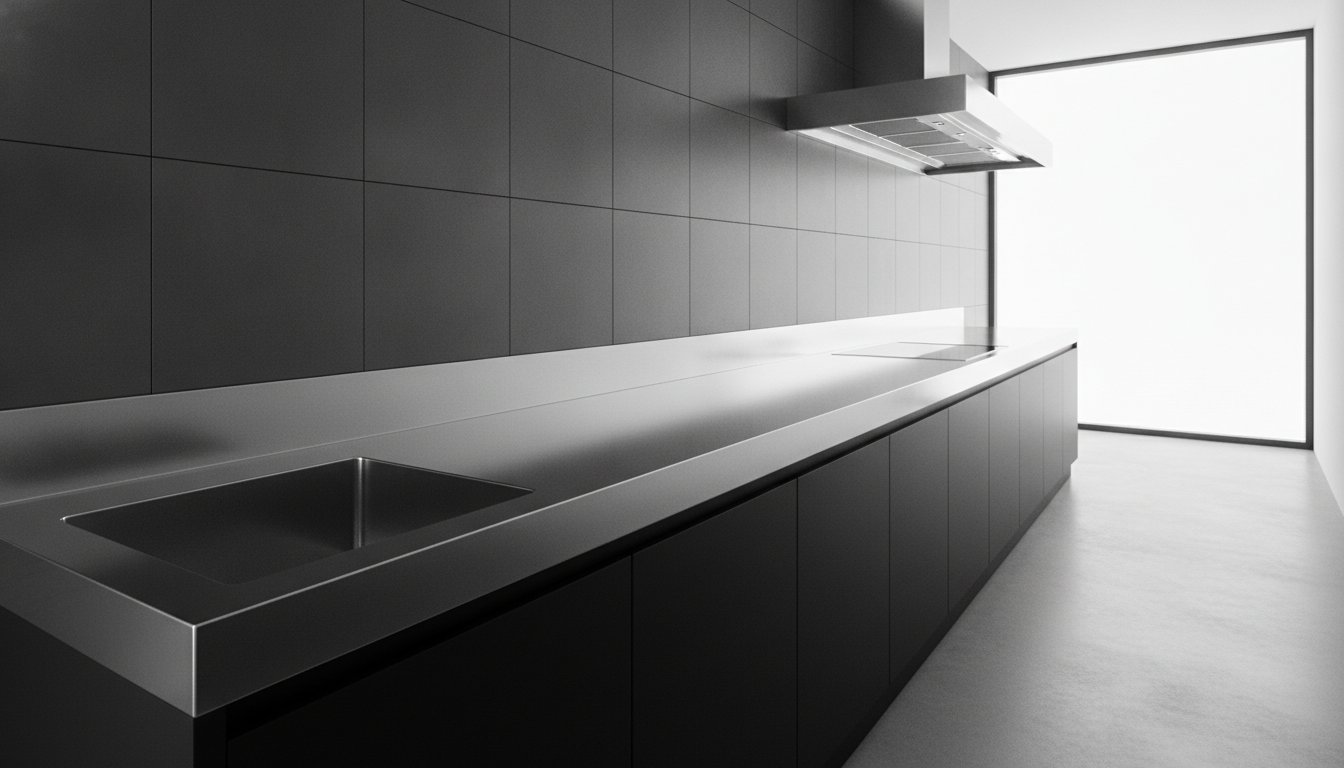
Why do some professional kitchens maintain a pristine, aseptic standard for decades whilst others succumb to grime and structural failure within years? Often, the answer lies in the quality of bespoke stainless steel fabrication for commercial kitchens versus standard, modular units. You’ve likely experienced the frustration of equipment that doesn’t quite fit the space or seams that inevitably become difficult to sanitise. It’s a common pain point that compromises both hygiene and the logical flow of a busy catering environment.
This guide demonstrates how precision engineering and architectural-grade materials solve these operational challenges. By choosing made-to-measure worktops, sinks, and cabinets, you can achieve a seamless environment that supports a 50-year lifecycle and eliminates the need for frequent replacements. We’ll explore the technical advantages of aseptic surfaces, the modular flexibility of the DECIMETRIC® system, and how tailored design transforms a high-traffic kitchen into a model of functional excellence. Discover how to transition from temporary fixes to a permanent, master-crafted workspace.
Key Takeaways
- Understand why seamless, aseptic surfaces are essential for maintaining food safety and achieving a product lifecycle of approximately 50 years.
- Identify when to specify EN 1.4301 versus acid-resisting EN 1.4401 grades to guarantee long-term durability against chemical stressors.
- Learn how bespoke stainless steel fabrication for commercial kitchens optimises workflow by providing continuous worktops up to 5 metres.
- Explore how the DECIMETRIC® system resolves spatial challenges and eliminates dead zones in complex or historic architectural settings.
- Gain insight into the professional specification process, ensuring your project benefits from precision CAD approval and technical support.
The Role of Bespoke Stainless Steel in Professional Kitchen Environments
High-traffic catering centres demand more than just functional equipment; they require a structural foundation built for endurance and precision. Bespoke stainless steel fabrication for commercial kitchens isn’t merely a design choice but a functional necessity when standard units fall short of specific operational demands. Whilst modular systems offer a perceived convenience, they often fail to address the unique spatial and hygienic rigours of a professional environment. A tailored approach ensures that every component is engineered to withstand the relentless pace of modern hospitality.
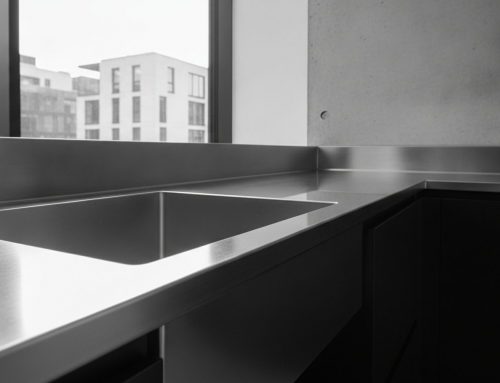
Historic or complex buildings frequently present architectural challenges, such as irregular alcoves, structural pillars, or non-standard ceiling heights. Tailored fabrication allows for the seamless integration of worktops, sinks, and cabinets into these challenging footprints. This precision eliminates the “dead zones” where debris and bacteria typically accumulate, directly supporting the aseptic standards required in food preparation. By utilising every square centimetre effectively, bespoke design transforms awkward layouts into streamlined, high-performance workspaces.
Workflow efficiency is intrinsically linked to the physical environment. When equipment is positioned at the correct ergonomic height and depth, staff fatigue decreases and productivity rises. Unlike plastic or composite fixtures that may warp, stain, or degrade under thermal stress, bespoke metalwork provides a stable, permanent solution. With a typical lifecycle of approximately 50 years, these installations offer far greater resilience than standard alternatives. Key advantages include:
- Elimination of awkward gaps where bacteria and grime can flourish.
- Ergonomic configurations tailored to the specific physical requirements of the catering team.
- Superior resistance to the thermal and physical impacts of constant, high-volume service.
Beyond Standard: When Modular is Not Enough
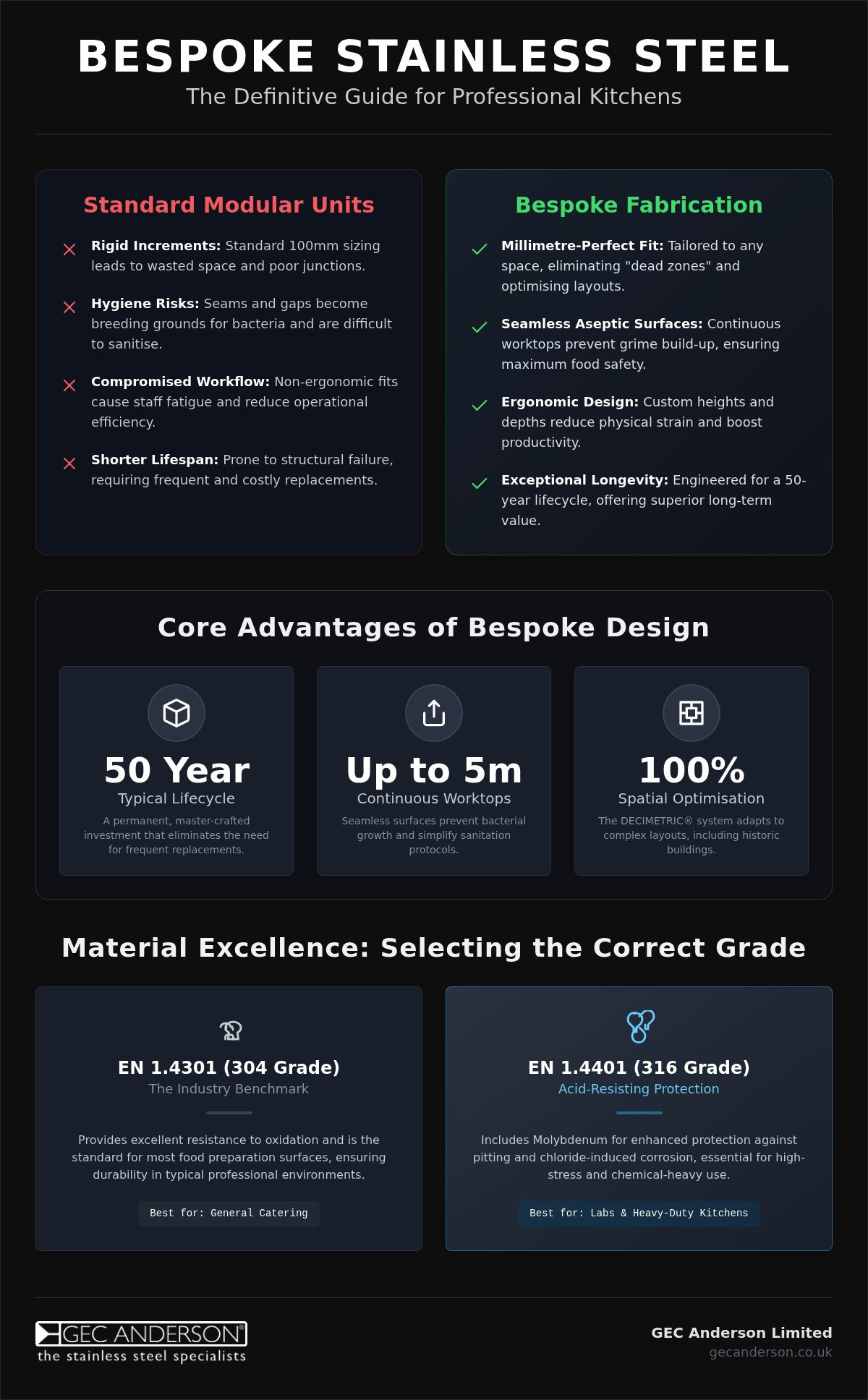
Standard catering equipment typically operates in 100mm increments. In a busy professional kitchen, these rigid increments lead to wasted space and poorly fitted junctions. Bespoke stainless steel fabrication for commercial kitchens removes these constraints, allowing for millimetre-perfect dimensions. This level of customisation ensures that height and depth configurations are optimised for specific tasks, significantly improving kitchen safety by reducing the need for awkward stretching or bending during service. It’s about creating a workspace that adapts to the chef, rather than forcing the chef to adapt to the furniture.
Aesthetic Meets Utility in Modern Commercial Design
Professional kitchens are increasingly visible to the public in open-plan hospitality settings. Here, the “work of art” quality of high-end fabrication becomes a vital component of the brand’s image. A polished, seamless finish conveys a sense of clinical precision and professional trust. By integrating bespoke fabrication with modern architectural styles, specifiers create environments that are as visually striking as they are industrially resilient. This ensures a sophisticated appeal that standard, off-the-shelf equipment simply cannot match, reflecting a commitment to quality that extends from the kitchen to the customer.
Material Excellence: Selecting the Correct Grade for Commercial Fabrication
Specifying the right material grade is the most critical decision in the procurement of high-performance kitchen infrastructure. Whilst many providers refer to “stainless steel” as a singular entity, professional applications require a nuanced understanding of metallurgical properties. The longevity and hygiene of bespoke stainless steel fabrication for commercial kitchens depend entirely on matching the alloy’s corrosion resistance to the specific stressors of the environment.
Standard professional environments typically utilise EN 1.4301, commonly known as 304 grade. This austenitic steel provides excellent resistance to oxidation and is the benchmark for most food preparation surfaces. However, for environments involving high concentrations of salt, acids, or aggressive cleaning chemicals, EN 1.4401 (316 grade) is the necessary specification. By including molybdenum in its composition, 316 grade offers enhanced protection against pitting and chloride-induced stress corrosion, making it the preferred choice for laboratories or heavy-duty industrial kitchens.
Beyond chemical resistance, structural integrity is maintained through precise gauge selection. Commercial units usually range from 1mm to 2mm in thickness, with the specific gauge selected based on the intended load and product dimensions. This ensures that worktops and shelving remain rigid under the weight of heavy catering equipment, preventing the bowing or warping associated with inferior, thinner alternatives. Selecting the correct thickness is a hallmark of quality bespoke metalwork designed for permanent installation.
The Science of Durability: EN 1.4301 vs EN 1.4401
The choice between these two grades directly impacts the 50-year lifecycle of the installation. In standard culinary settings, 304 grade maintains its integrity against daily moisture and organic acids. In contrast, 316 grade is essential for coastal locations or facilities using specialised chemical sanitisers. This higher grade prevents point-etching, a form of localised corrosion that can create microscopic traps for bacteria. Ensuring the material matches the environment is the first step in achieving a truly aseptic workspace.
Gauge and Finish: Customising for Specific Use Cases
A professional finish is about more than just aesthetics; it’s a functional requirement. Satin stainless steel finishes are favoured in commercial settings because they diffuse light, reducing glare for staff working under bright task lighting. These finishes are also more adept at masking the minor surface scratches that occur during intense service. When combined with a factory-selected gauge tailored to the unit’s size, the result is a surface that feels substantial and remains quiet during use, absorbing the vibrations of a busy kitchen rather than amplifying them.
Sustainability also plays a pivotal role in modern specification. Stainless steel is 100% recyclable, aligning perfectly with Corporate Social Responsibility (CSR) goals. An investment in high-grade bespoke fabrication is an investment in the circular economy, as the material retains its value and properties indefinitely, even after its primary service life concludes.
Optimising Workflow through Bespoke Commercial Kitchen Layouts
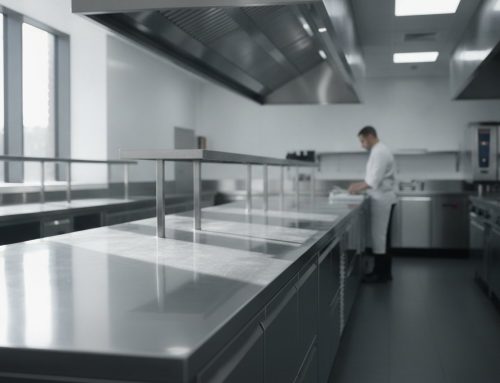
Efficiency in a high-traffic catering centre is measured by the logic of its layout. Bespoke stainless steel fabrication for commercial kitchens allows for the creation of continuous work surfaces up to 5 metres in length. This capability eliminates the “dead zones” and mechanical joins found in modular setups, which often trap debris and slow down cleaning cycles. By providing a single, uninterrupted plane, chefs can move prep work seamlessly from one station to the next without encountering physical obstructions or hygienic weak points.
Seamless Integration: Sinks and Worktops
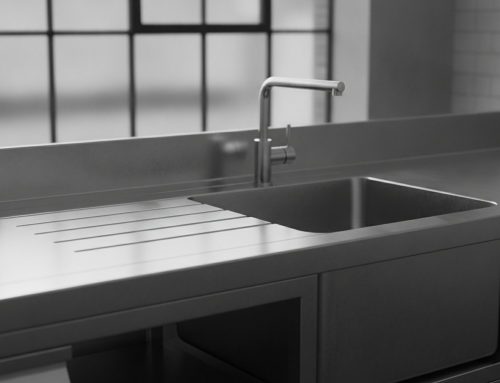
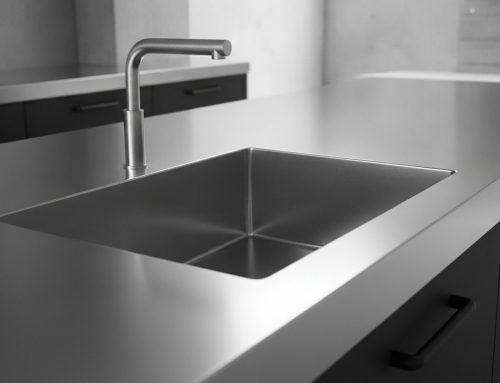
The technical superiority of a bespoke installation is most evident at the junction between the sink and the worktop. In a standard kitchen, these are separate components joined by silicone or mechanical fixings; both eventually fail. Bespoke fabrication ensures sinks are integrated into the worktop surface with no visible seams. You can specify Series A sink bowls in various sizes, such as A40 or A50, to suit specific tasks from heavy-duty pot washing to delicate produce preparation. For a deeper dive into the engineering behind these units, consult our Made to Measure Stainless Steel Sinks: A Technical Reference Guide.
Storage Solutions for High-Pressure Environments
Vertical space is often underutilised in professional kitchens. Bespoke stainless steel shelving units, such as the V90 system, maximise storage capacity whilst keeping essential items within easy reach. Unlike floor-standing units that can impede floor cleaning, wall-mounted shelving maintains a clear line of sight and supports a more hygienic floor-to-wall transition. For smaller essentials, the Stortidy System provides professional-grade organisation, ensuring that utensils and smallware don’t clutter primary work surfaces.
To achieve total spatial optimisation, we utilise the Decimetric® system. This modular approach to bespoke design allows for cabinets and doors to be configured in 100mm increments, ensuring that every millimetre of the kitchen footprint serves a purpose. It’s a sophisticated way to apply bespoke stainless steel fabrication for commercial kitchens to the storage requirements of any facility. Whether you’re designing for a compact historic building or a sprawling modern facility, these tailored storage solutions ensure that the workflow remains fluid and the environment stays orderly.
Hygiene and Longevity: The Technical Advantages of Seamless Fabrication
The longevity of a catering environment is determined by its ability to resist both physical wear and microscopic contamination. Whilst budget-focused alternatives might appear cost-effective initially, they often fail to account for the total cost of ownership. Bespoke stainless steel fabrication for commercial kitchens offers a lifecycle of approximately 50 years, effectively outlasting modular equipment several times over. This durability is rooted in the material’s resistance to point-etching and chloride assaults, which are common issues in kitchens where high salt levels and aggressive detergents are prevalent. Choosing an ISO 9001-certified manufacturer ensures that every weld and finish meets these exacting industrial standards.
Preventing Bacterial Growth with Aseptic Design
Surface hygiene is a direct result of precision engineering and meticulous polishing. Aseptic surfaces are defined by their lack of seams, joints, or mechanical fixings that could trap organic matter. In high-traffic environments, these junctions are the primary failure points during health and safety inspections because they provide a haven for bacterial growth. By eliminating these gaps through expert fabrication, the risk of contamination is significantly reduced. This approach transforms the kitchen from a series of disconnected units into a unified, hygienic workspace. For detailed technical requirements on surface finishes and edge profiles, specifiers should refer to our Bespoke Stainless Steel Kitchen Worktops: The Architect’s Guide to Specification.
Maintenance Protocols for Professional Longevity
Maintaining the pristine condition of bespoke stainless steel fabrication for commercial kitchens requires adherence to specific protocols that protect the material’s integrity. A fundamental rule in professional maintenance is to never rinse surfaces with warm or hot water. You must always use cold water for rinsing to prevent surface discolouration and maintain the material’s protective oxide layer. If calcium deposits or lime-scale build-up occurs, these can be safely removed with vinegar or a 10% acetic acid solution, ensuring the surface remains free from mineral interference.
The final step in the cleaning process is equally critical for the aesthetic and functional health of the metalwork. You should never leave surfaces to air dry, as this can lead to unsightly water spotting and mineral deposits. Instead, always dry the surfaces with a soft cloth, following the direction of the grain to preserve the satin finish. These simple yet essential steps ensure that the equipment remains a functional work of art for decades. To ensure your next project meets these exacting standards, view our range of commercial stainless steel solutions.
Specifying GEC Anderson for High-Traffic Commercial Projects
GEC Anderson’s reputation as a seasoned specialist is built on a foundation established in 1962. For architects and commercial specifiers, this heritage provides a level of project security and technical certainty that is essential for large-scale developments. When managing complex builds, the choice of a partner for bespoke stainless steel fabrication for commercial kitchens must be based on more than just material supply; it requires a consultative approach that understands the nuances of architectural integration. Our role is to act as a steady guide, providing the technical wisdom necessary to navigate demanding briefs and stringent building regulations.
From CAD to Completion: The Ordering Process
The transition from a conceptual design to a physical installation is managed through a methodical three-step process. This ensures that every component meets the exact requirements of the facility before manufacturing begins. It’s a structured approach that minimises risk and guarantees precision.
- Step 1: Technical specification and quotation phase. We work closely with specifiers to define the scope, material grades, and functional requirements. This ensures the proposal aligns with both the project’s performance goals and the practicalities of the site.
- Step 2: Pre-production CAD drawing for client sign-off. Precision is non-negotiable in professional environments. Detailed CAD drawings are produced for every bespoke unit, allowing for a thorough review of dimensions, sink positions, and edge profiles before any metal is cut.
- Step 3: Site measurement and template visits. To guarantee a millimetre-perfect fit, especially in historic or irregular buildings, our specialists can conduct site measurements. This step eliminates the risk of installation errors and ensures seamless integration with existing services and structural elements.
A Portfolio of Excellence: Serving the Public and Private Sectors
Our experience spans the most demanding sectors in the UK, including healthcare, education, and leisure. Meeting the stringent standards of the NHS or major universities requires a commitment to quality that is verified by ISO 9001-certified manufacturing. This accreditation is a critical benchmark for commercial specifiers who must guarantee the safety, hygiene, and durability of their projects. It’s why our solutions are specified for high-profile institutions where failure isn’t an option.
Our portfolio includes landmark projects such as the New British Library and Birmingham Children’s Hospital, where the requirement for aseptic, resilient surfaces is absolute. In high-traffic transport hubs or public galleries, we provide solutions that maintain their aesthetic appeal whilst resisting the rigours of constant public use. By specifying GEC Anderson, you’re investing in a master-crafted solution backed by decades of proven performance. This comprehensive support for bespoke stainless steel fabrication for commercial kitchens ensures that every project is delivered on time, within specification, and engineered for a 50-year lifecycle.
Investing in Permanent Culinary Infrastructure
Selecting the right infrastructure is a decision that defines the operational success of a facility for decades. Bespoke stainless steel fabrication for commercial kitchens provides a level of hygienic security and workflow efficiency that standard modular units simply cannot match. By prioritising seamless, aseptic surfaces and high-grade alloys, you eliminate the common failure points associated with joints and seams. This architectural approach ensures a typical lifecycle of approximately 50 years, making it a sustainable and fiscally responsible investment.
Our ISO 9001-certified manufacturing process is trusted by prestigious institutions, including the National Gallery and Guy’s Hospital, where hygiene standards are absolute. We understand that a professional kitchen is a high-pressure environment that requires equipment capable of withstanding constant physical and chemical stressors. Whether you’re managing a historic restoration or a modern healthcare development, our consultative design process ensures every millimetre is optimised for performance.
Request a Technical Quotation for Your Commercial Project
We look forward to supporting your vision for a superior catering environment.
Frequently Asked Questions
What is the difference between 304 and 316 grade stainless steel for kitchens?
EN 1.4301 (304 grade) is the industry standard for most culinary environments, offering excellent resistance to oxidation and organic acids. For facilities exposed to high salt levels or aggressive chemicals, EN 1.4401 (316 grade) is specified. This acid-resisting alloy contains molybdenum, which provides superior protection against pitting and chloride-induced stress corrosion. Selecting the correct grade is essential for ensuring the material withstands the specific chemical stressors present in your professional workspace.
How long does bespoke stainless steel fabrication typically last in a commercial setting?
A primary advantage of bespoke stainless steel fabrication for commercial kitchens is its exceptional durability. These installations typically offer a product lifecycle of approximately 50 years, significantly outperforming modular plastic or composite alternatives. This longevity is achieved through precision engineering and the use of architectural-grade materials. Investing in tailored metalwork reduces the total cost of ownership by eliminating the need for frequent replacements and repairs common with lower-quality equipment.
Can bespoke stainless steel worktops be made without any visible joins?
Yes, bespoke worktops are engineered to be entirely seamless. Unlike standard units that rely on mechanical joins or silicone seals, custom fabrication allows for the integration of sinks and splashbacks into a single, continuous surface. This eliminates gaps where bacteria and grime can accumulate, creating an aseptic environment that is easier to sanitise. It’s a critical feature for maintaining food safety compliance in high-traffic kitchens where hygiene remains the absolute priority.
What is the maximum length for a made-to-measure stainless steel worktop?
The maximum length for a single made-to-measure worktop is 5 metres. This allows for long, uninterrupted prep stations that improve workflow efficiency and eliminate unnecessary hygienic weak points. For more complex layouts, such as L-shaped or U-shaped configurations, the maximum return length is 2.3 metres. These generous dimensions ensure that even the largest commercial spaces can benefit from a unified surface, reducing the number of physical junctions and supporting a logical layout.
Why is cold water rinsing recommended for cleaning stainless steel surfaces?
Cold water is recommended because warm or hot water can react with synthetic detergents to cause surface discolouration. Rinsing thoroughly with cold water ensures that all cleaning agents are removed without affecting the protective oxide layer of the steel. It’s a fundamental rule of professional maintenance. Using cold water helps preserve the pristine satin finish of the metalwork, ensuring it remains as visually striking as the day it was first installed.
Is bespoke stainless steel fabrication 100% recyclable?
Stainless steel is 100% recyclable, making it an environmentally responsible choice for modern infrastructure projects. It can be reprocessed indefinitely without any loss of quality or structural integrity. This aligns with Corporate Social Responsibility (CSR) goals and supports a circular economy. When you choose bespoke stainless steel fabrication for commercial kitchens, you’re selecting a material that can be fully repurposed at the end of its extensive 50-year service life.
How does the Decimetric system differ from fully made-to-measure solutions?
The Decimetric® system is a modular kitchen furniture range built on 100mm increments, offering a balance between economy and professional quality. In contrast, fully made-to-measure solutions provide millimetre-perfect customisation to fit any architectural footprint. Whilst the Decimetric® system provides excellent flexibility for standard layouts, fully bespoke fabrication is necessary for irregular spaces or historic buildings where standard dimensions don’t align with existing structural pillars or alcoves.
What maintenance is required to prevent rust stains on commercial stainless steel?
Visible rust usually originates from contact with foreign iron or carbon steel contact. To prevent this, apply a cream cleaner gently whilst following the grain. You must always rinse with cold water and dry the surface immediately with a soft cloth. Air-drying is prohibited as it leaves mineral deposits and water spotting. For stubborn calcium build-up, use vinegar or 10% acetic acid before rinsing with cold water and drying with a soft cloth.