
The most durable material in your building shouldn’t be the one that limits your design freedom. Many architects find that standard ceramic basins simply cannot accommodate unique spatial requirements, leading them to seek out bespoke stainless steel bathroom sinks that offer greater geometric flexibility. You’ve likely felt the frustration of trying to shoehorn off-the-shelf fixtures into non-standard layouts, all whilst worrying that a metal alternative might appear too utilitarian for a high-end setting.
This guide explains how to specify made-to-measure basins that combine architectural elegance with an established 50-year lifecycle. We’ll provide the technical clarity needed to choose between material grades like EN 1.4301 and EN 1.4401, ensuring your installation is as resilient as it is refined. We’ll also walk you through the precision of the CAD-backed ordering process, giving you total confidence in the final result. You’ll learn how a methodical approach to design and maintenance can transform a washroom into a seamless, hygienic environment that stands the test of time.
Key Takeaways
- Learn how to leverage the visual simplicity and “quiet confidence” of satin finishes to create a high-end, architectural aesthetic in modern washroom design.
- Understand the technical differences between material grades EN 1.4301 and EN 1.4401 to ensure your bespoke stainless steel bathroom sinks offer maximum durability and acid resistance.
- Discover the hygiene and design benefits of seamless, joint-free vanity runs that can be fabricated in continuous lengths of up to five metres.
- Identify the critical maintenance protocols, including the mandatory use of cold water for rinsing, required to preserve the integrity and appearance of the steel surface.
- Follow the structured five-step specification process, from pre-production CAD drawings to final installation, ensuring a perfect fit for complex or non-standard spatial requirements.
Beyond Utility: The Aesthetic of Bespoke Stainless Steel Bathroom Sinks
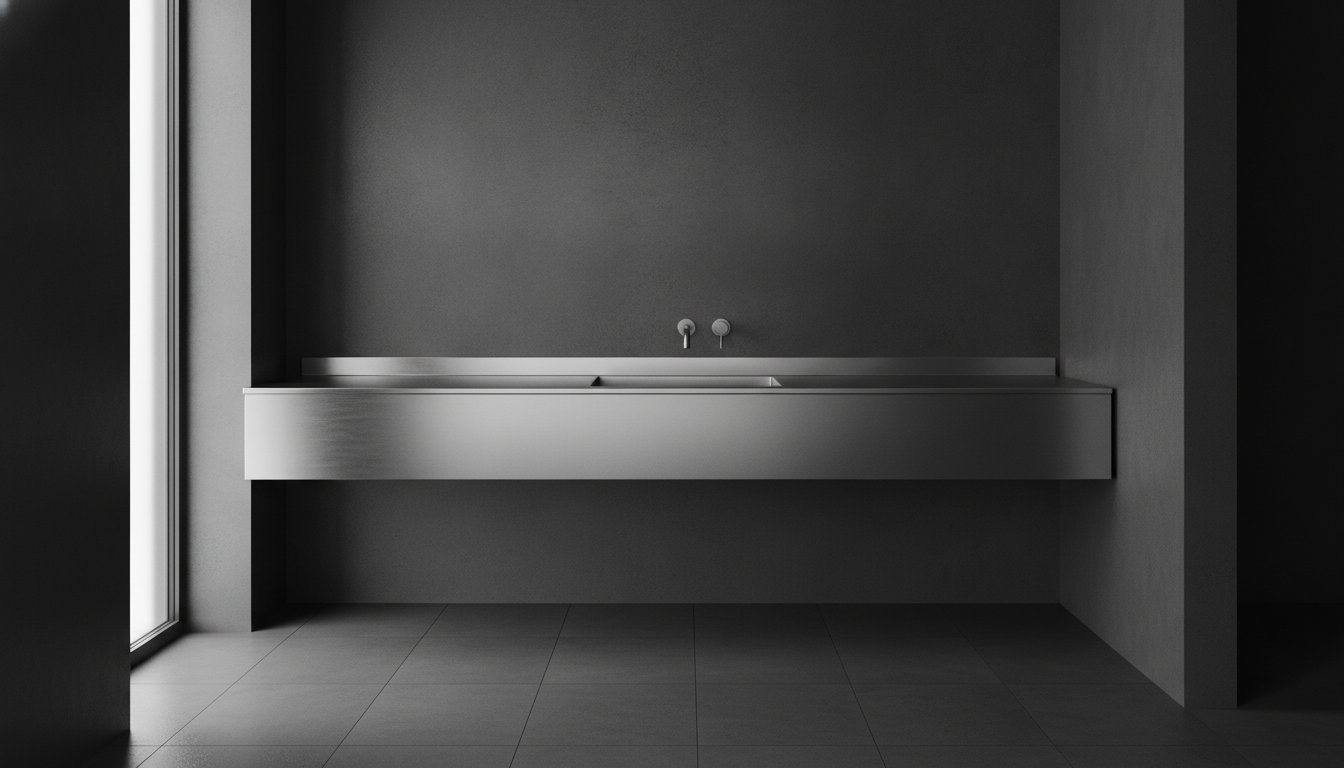
Bespoke stainless steel bathroom sinks are frequently misunderstood as purely functional fixtures. In reality, they represent a sophisticated design choice that prioritises architectural intent over fleeting trends. The satin finish provides a muted, reflective quality that doesn’t compete for attention but rather anchors a space with a sense of permanence. This quiet confidence is why many architects view these basins as functional works of art, offering a level of precision and geometric freedom that ceramic alternatives simply cannot match. It’s about achieving a refined balance between utility and visual elegance.
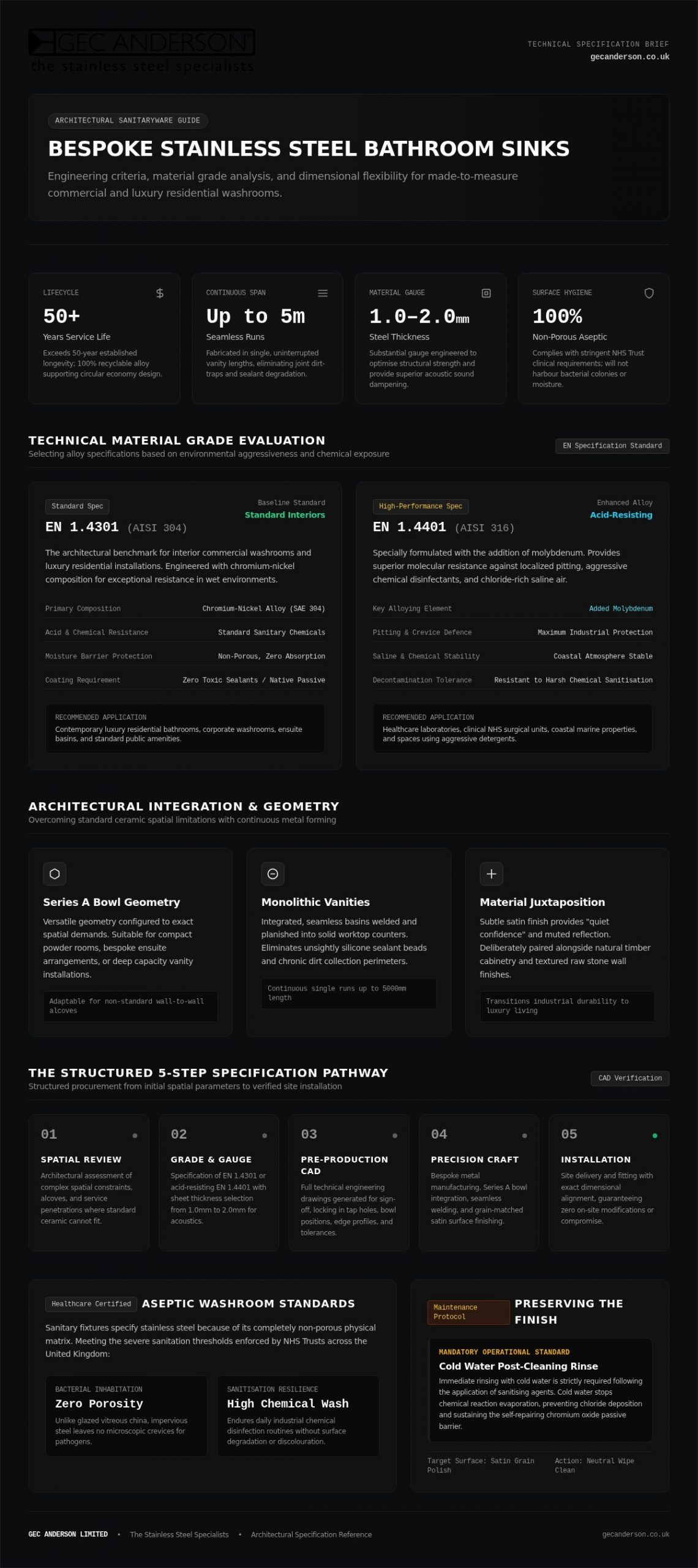
Sustainability is now a primary driver in material selection for modern washrooms. Stainless steel is 100% recyclable and typically offers a lifecycle exceeding 50 years. This longevity reduces the need for frequent replacements, making it an environmentally responsible choice for projects focused on long-term value and circular economy principles. When you examine the SAE 304 stainless steel specifications, the technical reasons for this durability become clear. The alloy’s composition provides the necessary corrosion resistance to maintain its aesthetic integrity in damp environments for decades without the need for toxic coatings.
The Shift from Industrial to Luxury Residential
The aesthetic has moved far beyond utilitarian origins. Contemporary luxury residential projects now pair stainless steel with warm timber or textured natural stone. This deliberate contrast creates a balanced, minimalist environment that feels both modern and established. By specifying bespoke stainless steel bathroom sinks with integrated, seamless basins, designers eliminate the visual clutter of sealant lines. The result is a monolithic surface that feels purposeful and integrated into the wider interior design, reflecting a master craftsman’s attention to detail.
Hygiene and Aseptic Qualities
The material’s physical properties are unmatched in demanding environments. Stainless steel is entirely non-porous, which means it won’t harbour bacteria or allow moisture penetration. This is essential for high-traffic public washrooms where resistance to heavy use is a priority. These fixtures also meet the rigorous aseptic standards required by NHS Trusts and healthcare facilities across the country. They provide a surface that withstands frequent chemical sanitisation without any degradation, balancing refined aesthetics with the practical realities of commercial hygiene.
Technical Specification: Material Grades and Bowl Configurations
Technical precision is the foundation of high-end sanitaryware. When specifying bespoke stainless steel bathroom sinks, the choice of material grade and sheet thickness determines the product’s functional lifespan. These aren’t just aesthetic decisions; they’re engineering requirements that ensure the fixture remains structural and hygienic under constant use. Precision in the early specification phase prevents maintenance issues years down the line.
Selecting the Right Stainless Steel Grade
Most standard bathroom environments require EN 1.4301 (AISI 304) stainless steel. This grade offers excellent corrosion resistance and is the industry standard for high-quality sanitary fixtures. However, for specialist environments like laboratories, coastal properties, or areas exposed to harsh cleaning chemicals, the acid-resisting EN 1.4401 (AISI 316) is essential. This grade contains molybdenum, which provides superior protection against pitting and crevice corrosion. Understanding these architectural applications of stainless steel allows specifiers to match the material to the specific environmental demands of the project.
The gauge of the steel is equally important for the user experience. GEC Anderson typically utilises thicknesses ranging from 1.0mm to 2.0mm depending on the application. A heavier gauge doesn’t just improve structural integrity; it significantly aids sound dampening, reducing the resonance often associated with lower-quality metal basins. This results in a fixture that feels solid and premium to the touch, matching the quality of the surrounding interior finishes.
Bowl Geometry and Sizing Options
Versatility is a core benefit of the Series A bowl range. For compact powder rooms or ensuite settings, smaller configurations like the A18 provide a minimalist footprint without sacrificing utility. Expansive A70 bowls suit larger commercial washrooms or high-traffic residential spaces where volume is a priority. You aren’t limited to standard circular or rectangular formats; custom partition and flange dimensions allow for seamless integration into any architectural layout.
Every bespoke sink is finished with a signature satin polish. This isn’t merely a surface treatment but a hallmark of the manufacturing process that hides minor scratches and watermarks better than a mirror finish. It’s this attention to detail that sets these products apart from mass-produced alternatives. If you’re ready to define your project’s requirements, you can explore the full range of Series A bowls and custom options to find the perfect fit for your space.
Design Flexibility: Integrated Basins and Made-to-Measure Surfaces
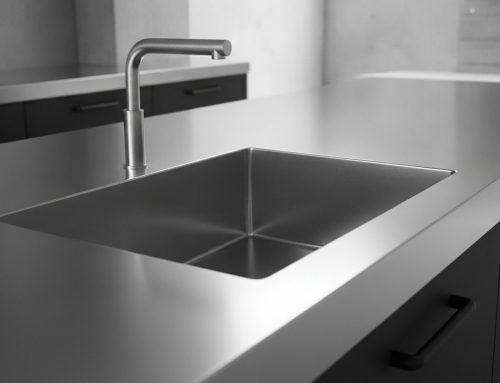
Traditional bathroom layouts are often dictated by the fixed dimensions of ceramic fixtures. In contrast, specifying bespoke stainless steel bathroom sinks allows the architecture of the room to lead the design. This flexibility is most evident when basins are integrated directly into worktops, creating a single, monolithic surface. By eliminating the joins and seams typically found between a sink and a countertop, you remove the primary sites for bacteria accumulation and water ingress. Precision is the priority.
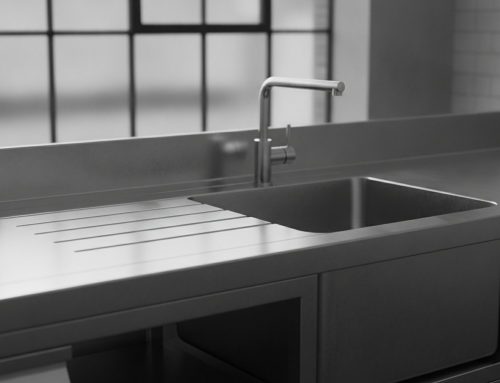
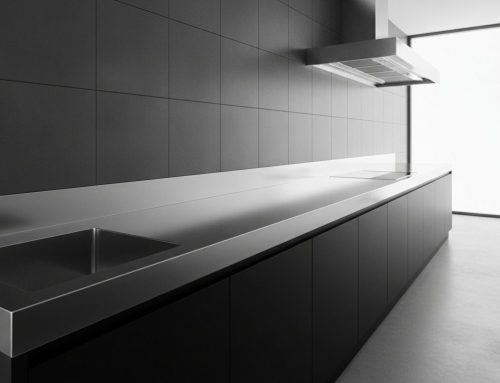
The scale of these installations can be significant. Single continuous worktop runs can reach up to 5.0 metres in length, whilst L-shaped or U-shaped returns are possible up to 2.3 metres. This capacity for large-scale fabrication is particularly valuable in commercial environments where visual continuity is as important as structural performance. Integrating made to measure stainless steel sinks into vanity units ensures that the entire washroom surface functions as a unified whole, complete with custom edge profiles and upstands that prevent moisture from reaching the wall substrate.
The Seamless Advantage
Hygiene is the silent beneficiary of precision engineering. When a basin is welded and polished into a surface, the resulting transition is physically undetectable. This aseptic quality is a requirement in healthcare and high-traffic public sectors, but it’s increasingly sought after in luxury residential design for its minimalist appeal. Because there are no sealant lines to degrade or discolour, the installation maintains its original appearance with minimal effort. Adhering to professional cleaning methods for stainless steel further ensures that these seamless surfaces remain pristine and functional for their entire 50-year lifecycle.
Custom Configurations for Specialist Spaces
Bespoke manufacturing excels in environments with specific accessibility or volume requirements. For projects requiring compliance with mobility standards, basins can be positioned at precise heights with specific clearances to accommodate wheelchair users. Multi-basin troughs are another effective application, frequently specified for the education and transport sectors to provide high-capacity handwashing in a compact footprint. It’s a pragmatic solution for demanding spaces.
Beyond simple handwashing, these surfaces can incorporate dedicated wet zones and integrated drainage boards. This is particularly useful in laboratories or high-end residential ensuites where water management is critical. Every element, from the depth of the bowl to the pitch of the drainage area, is tailored to the project’s exact needs, ensuring the final fixture is a perfect fit for its intended purpose.
Maintenance and Longevity: Preserving the Satin Shine
The longevity of bespoke stainless steel bathroom sinks is predicated on a specific maintenance regime. Whilst the material is inherently durable, its aesthetic appeal relies on preserving the integrity of the satin finish. Proper care prevents the accumulation of mineral deposits and ensures the surface remains aseptic. It’s a matter of following a logical, methodical process to maintain the material’s structural and visual quality over its 50-year lifecycle.
Daily Care Routine
For regular cleaning, apply a mild cream cleaner using a damp cloth or sponge. You must always work in the direction of the grain to avoid disrupting the uniform satin finish. Once the surface is clean, it’s vital to remove all cleaning residue. You must always use cold water for rinsing after any cleaning step.
Immediate drying is the most critical part of the daily routine. You must never leave the surface to air dry, as this leads to water spots and mineral buildup. Use a clean, soft cloth to buff the steel until it’s completely dry. This simple action preserves the understated authority of the metal and prevents the dulling effect of stagnant water. It’s a standard practice that maintains the professional trust associated with high-end fixtures.
Specialist Stain Removal
In areas with hard water, calcium deposits may occasionally form on the surface. These are best addressed using vinegar or a 10% acetic acid solution. For more stubborn limescale, a solution of diluted nitric acid, specifically one part HNO3 to four parts water, is effective. You must ensure adequate ventilation and follow strict safety protocols when handling such chemicals. Avoid using general household descalers, as these often contain chlorides that can cause permanent point-etching on the steel.
Surface rust is usually the result of contamination from external sources, such as iron particles in the water supply or the use of steel wool, rather than the sink itself. If the rust is recent, apply a dry cleaning powder with a damp cloth, rinse with cold water, and dry immediately. For persistent rust that has remained for an extended period, you should use a dry nylon fibre brush or the aforementioned diluted nitric acid solution. Do not use wire wool or abrasive scouring pads, as these will damage the surface and introduce further contaminants.
Maintaining the pristine appearance of your fixtures ensures they continue to reflect the high standards of your architectural design. For detailed technical support on preserving your installation, you can contact GEC Anderson for expert maintenance guidance.
The GEC Anderson Process: From CAD Drawing to Installation
Specifying bespoke stainless steel bathroom sinks requires a methodical approach that prioritises accuracy over speed. Because these fixtures are often integrated into complex architectural layouts, the margin for error is minimal. A structured five-step process ensures that every dimension, material grade, and finish meets the exact requirements of the project brief. This consultative path transforms a technical specification into a high-performance reality.
The process begins with the provision of product specifications or dimensions. Once these are established, GEC Anderson produces a pre-production CAD drawing for client approval. This stage is vital for peace of mind, as it allows architects and specifiers to verify every detail before fabrication commences. For more intricate installations, site visits are arranged for precision templating, ensuring a perfect fit within the existing or proposed substrate. Once the drawings are signed off, manufacture begins under a strict quality control programme.
Precision Manufacturing
Fabrication combines the efficiency of automated technology with the nuanced skill of manual craftsmanship. Utilising automated laser and punch cutting, the steel is shaped with absolute precision before undergoing automated or manual welding. The hallmark of a GEC Anderson basin is the final polishing stage, where the surface is refined to a consistent satin finish. Every stage of this workflow is governed by ISO 9001-certified manufacturing standards.
This rigorous attention to detail extends to the logistics of the project. Secure ordering procedures and coordinated national delivery mean that even the most complex bespoke orders arrive on-site as scheduled. Technical support remains available for contractors during the installation phase, ensuring that the integration of the sink into the wider washroom environment is seamless and efficient. It’s a partnership built on stability and competence.
Partnering with the Specialists
Leveraging over 60 years of expertise since its founding in 1962, GEC Anderson acts as a steady guide for both standard requirements and bold custom solutions. Whether you’re designing for the high-traffic demands of the British Museum or a minimalist residential ensuite, our team provides the technical wisdom needed to solve unique washroom challenges. This experience ensures that your investment in stainless steel is protected by decades of manufacturing mastery.
If you are ready to start your next project, you can enquire about bespoke bathroom sinks today to receive tailored design guidance and a professional consultation. Our team is here to help you navigate the technical nuances of made-to-measure sanitaryware, ensuring your design achieves both lifelong durability and architectural elegance.
Investing in Architectural Longevity
Specifying bespoke stainless steel bathroom sinks represents a commitment to both visual simplicity and technical excellence. By selecting the correct material grade and prioritising a seamless, joint-free installation, you ensure a washroom environment that remains hygienic and resilient for a 50-year lifecycle. The success of such an installation relies on a methodical approach, from the initial precision of CAD approval to the discipline of a strictly cold-water maintenance regime.
Since 1962, GEC Anderson has provided the specialist expertise required to navigate these technical nuances. Our ISO 9001-certified manufacturing process in the UK guarantees that every basin meets the most exacting standards of durability and hygiene. This established heritage offers the reliability and professional trust needed for high-end residential and commercial developments alike.
If you’re ready to define the specific requirements for your next project, you can Request a Bespoke Quotation for Your Washroom Project today. Our team is prepared to offer the consultative guidance necessary to turn your architectural vision into a functional, permanent reality.
Frequently Asked Questions
Can stainless steel bathroom sinks be made to any size?
Bespoke stainless steel bathroom sinks are manufactured to your exact dimensions within our technical fabrication limits. We produce continuous worktop runs up to 5.0 metres in length, with L-shape or U-shape returns possible up to 2.3 metres. This flexibility allows architects to specify a single, joint-free surface that incorporates one or multiple basins, ensuring a perfect fit for non-standard spatial requirements or unique architectural layouts.
What is the best material grade for a bespoke bathroom basin?
The ideal grade depends on the specific environment of the washroom. For most residential and commercial bathrooms, EN 1.4301 (AISI 304) provides excellent durability and corrosion resistance. In more demanding settings, such as laboratories, coastal properties, or areas exposed to harsh chemicals, we specify EN 1.4401 (AISI 316). This acid-resisting grade contains molybdenum, which offers superior protection against pitting and surface degradation in aggressive environments.
How do I prevent rust spots on my stainless steel sink?
Rust spots are typically caused by foreign iron particles or high iron content in the water rather than the steel itself. You can prevent these by avoiding prolonged contact with carbon steel tools or abrasive pads. If spots appear, apply a dry cleaning powder with a damp cloth, rinse with cold water, and dry immediately with a soft cloth. Following the grain during cleaning preserves the integrity of the satin finish.
Are bespoke stainless steel sinks suitable for residential bathrooms?
Bespoke stainless steel bathroom sinks are highly suitable for luxury residential projects due to their minimalist aesthetic and 50-year lifecycle. They provide a sophisticated alternative to ceramic, offering a sense of quiet confidence that complements natural materials like stone and timber. Because our basins are made-to-measure, they suit unique ensuite configurations where off-the-shelf fixtures often fail to meet the design intent or spatial constraints of a premium home.
Why must I only use cold water to rinse my stainless steel sink?
Using cold water for rinsing is a critical maintenance requirement to preserve the appearance and hygiene of the surface. Warm or hot water can cause cleaning agents to dry too quickly or leave streaks that are difficult to remove. After cleaning with a cream-based agent, you must always rinse with cold water and dry the surface thoroughly with a soft cloth. This methodical approach prevents mineral deposits and maintains the original satin shine.
Can I integrate a bespoke sink into a bespoke stainless steel kitchen worktop?
You can seamlessly integrate a basin into a bespoke stainless steel kitchen worktop. Our manufacturing process ensures there are no joins or seams between the sink and the counter, creating a monolithic, aseptic surface. This is a common requirement for open-plan residential designs or commercial staff areas where visual continuity and absolute hygiene are paramount. The resulting fixture is both functional and aesthetically unified.
What is the lead time for a made-to-measure bathroom basin?
Lead times for made-to-measure basins vary depending on the complexity of the design and the current production schedule. Every bespoke order follows a structured process, starting with the creation and approval of a pre-production CAD drawing. Manufacture only commences once you’ve signed off on these technical details. For a specific timeline tailored to your project requirements, we recommend contacting our technical team directly to discuss your specification and current factory capacity.
Are GEC Anderson sinks 100% recyclable?
All GEC Anderson stainless steel products are 100% recyclable. This makes them an environmentally responsible choice for projects targeting high sustainability standards or circular construction goals. Unlike composite materials or treated plastics, stainless steel can be repurposed at the end of its typical 50-year lifecycle without losing its physical properties. It’s a permanent material that supports the long-term ecological objectives of modern architectural design and reduces embodied carbon over time.